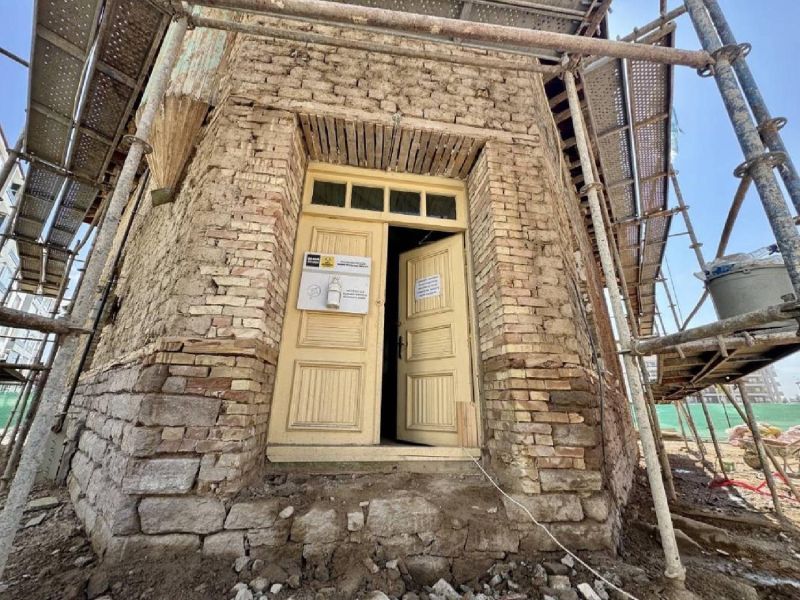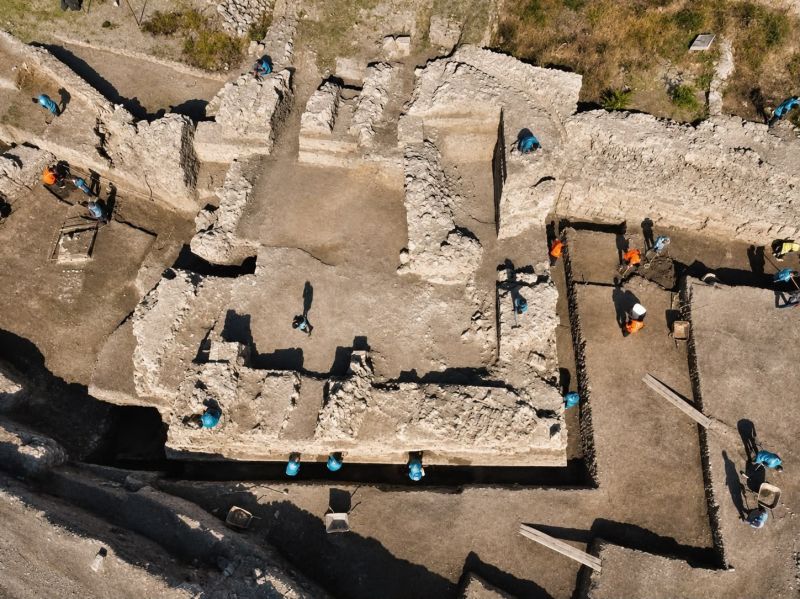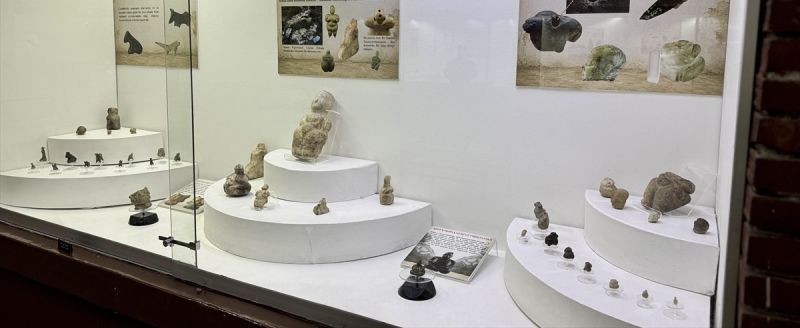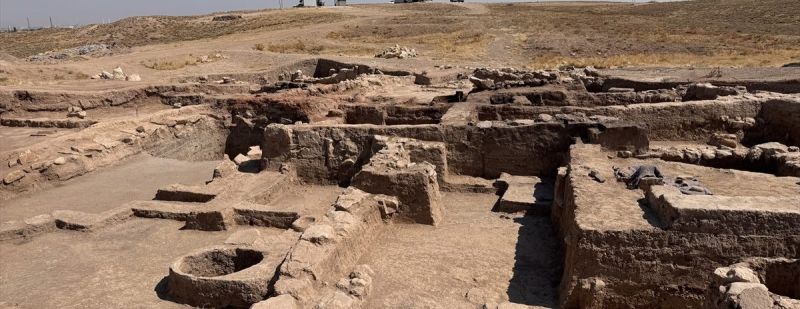
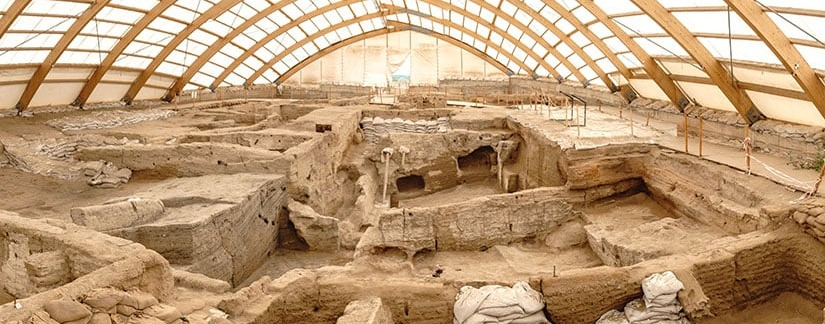
Konya brings together humanity’s earliest traces, Seljuk heritage, spiritual values, and natural landmarks through its UNESCO routes, offering a comprehensive cultural journey for visitors.
With its thousands of years of history, Konya presents its UNESCO-recognized values along a single cultural route, inviting visitors on an in-depth journey through time. Stretching from Çatalhöyük, one of the world’s oldest Neolithic settlements, to the centers that once served as the capital of the Seljuk State, this heritage corridor reveals the city’s remarkable historical depth.
Nasreddin Hoca, a prominent figure in Anatolia’s shared cultural memory, represents Konya’s long-standing tradition of wisdom and humor, while the sema ceremonies continue to reflect the city’s strong spiritual identity. Seljuk madrasahs further highlight Konya’s leading role in scholarship, art, and architecture throughout history.
Alongside its cultural heritage, natural and archaeological sites also form key stops on these routes. Tuz Lake showcases Konya’s distinctive natural landscape, while landmarks such as Eşrefoğlu Mosque, the İvriz rock relief, and Eflatun Pınar carry Anatolia’s multi-layered history into the present day.
Konya’s UNESCO routes reflect a holistic understanding of heritage that connects past and present, positioning the city as a strong international center of culture and faith. These routes demonstrate that the value Konya has carried throughout history continues to remain vibrant today.