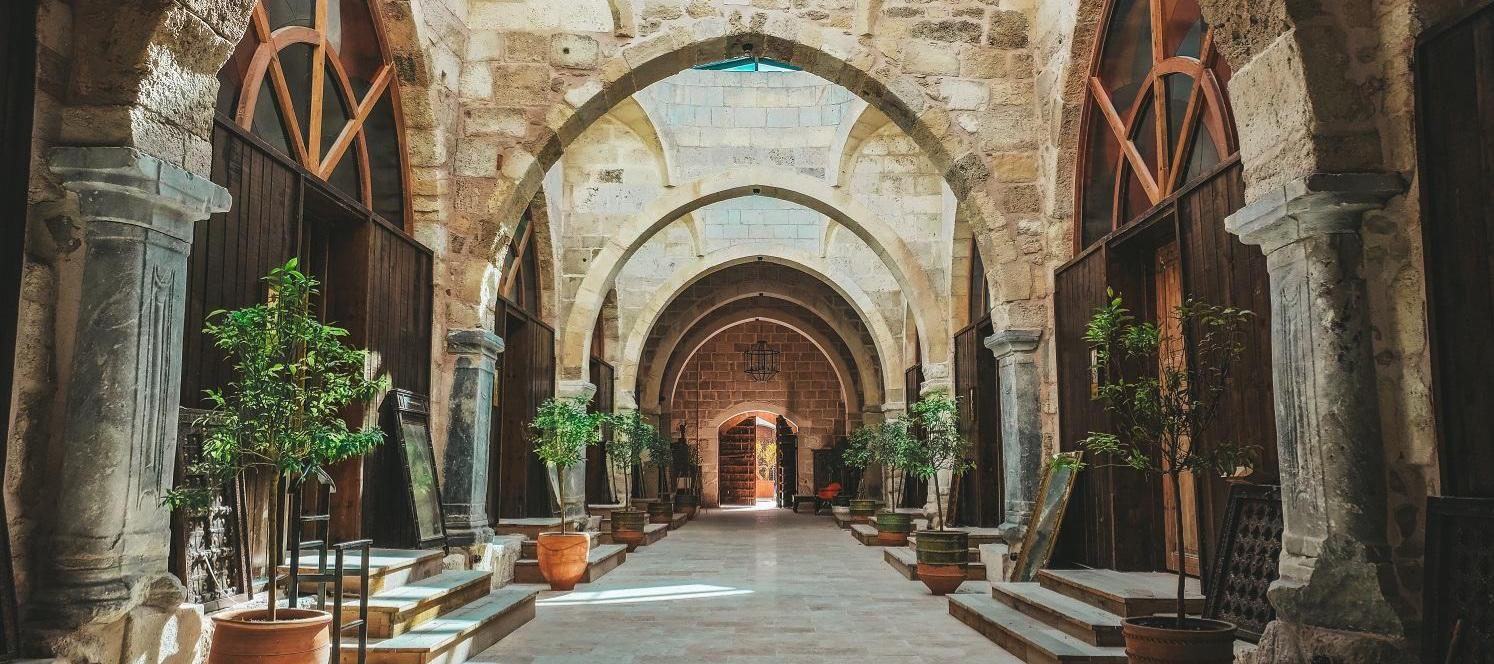
Konya is often mentioned with sinkholes, and one of the most striking examples of this natural formation is the Kızören Sinkhole. Located near this impressive geological site, Obruk Caravansary stands as a remarkable Seljuk structure that once played an important role on the Silk Road. For centuries, it served as a resting point for caravans passing through the region, taking its name from the nearby sinkhole, one of the largest in Konya.
Dating back nearly 800 years, Obruk Caravansary is one of Konya’s valuable historical landmarks. Today, it functions as both a museum and a hotel, bringing together history, culture, and accommodation in a single space. The structure reflects the architectural character of the Seljuk period while offering visitors a chance to experience this heritage from within.
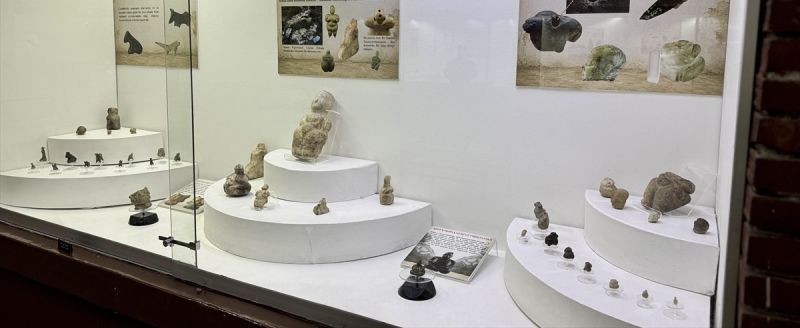
Designed with a museum hotel concept, the caravansary presents historical artifacts and period objects that reflect its past. Guests staying at the site are surrounded by elements that recall its original function, creating an atmosphere that connects daily life with history. At the same time, the space serves as a cultural venue that highlights the region’s heritage through exhibitions and displays.
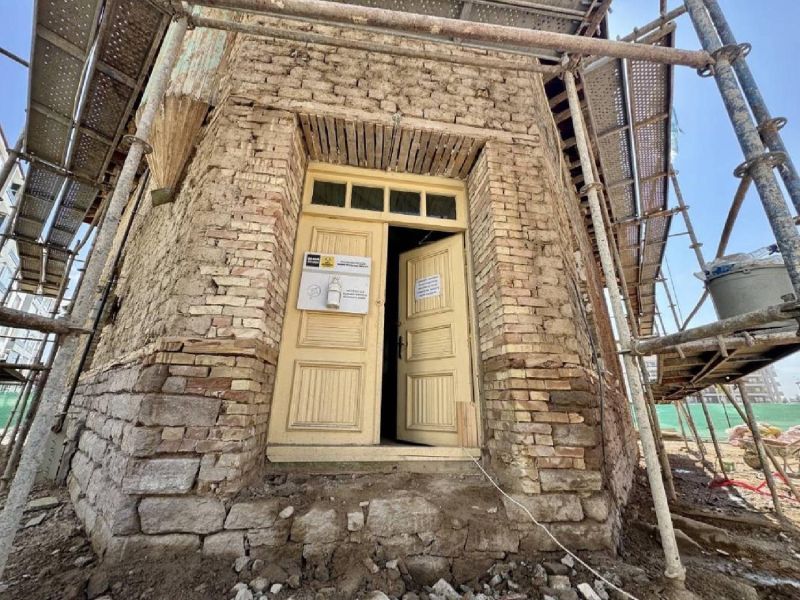
Located on the seventieth kilometer of the Konya Aksaray highway, next to the Kızören Sinkhole, the caravansary underwent a long and careful restoration process. The work focused on preserving the original texture of the Seljuk structure while adapting it for modern use. As a result, the building now operates as a 13 room hotel where traditional materials are used throughout, from furniture to everyday objects.
Modern comfort has been added without overshadowing the historical identity of the site. Each room includes a Turkish bath with underfloor heating, blending contemporary accommodation standards with centuries old architectural elements. In this way, Obruk Caravansary continues its role as a place of shelter, not for caravans this time, but for visitors seeking a deep connection with Konya’s history.