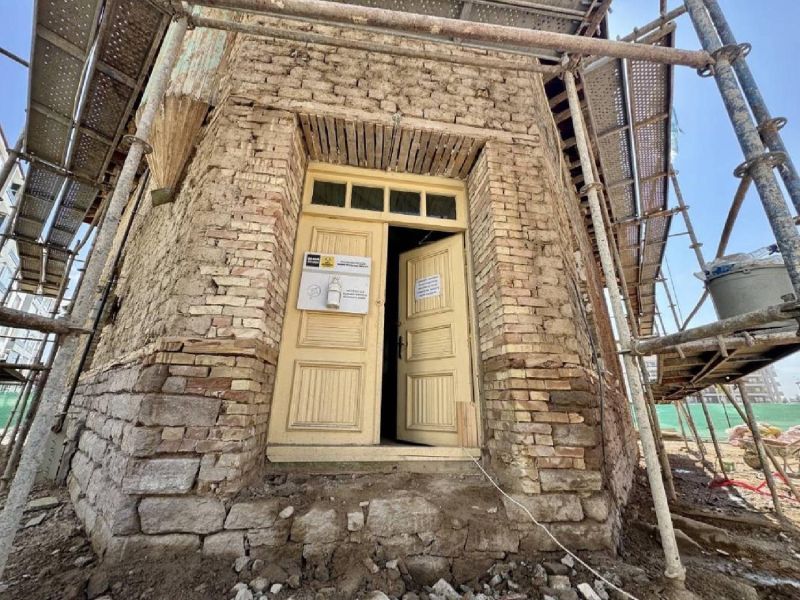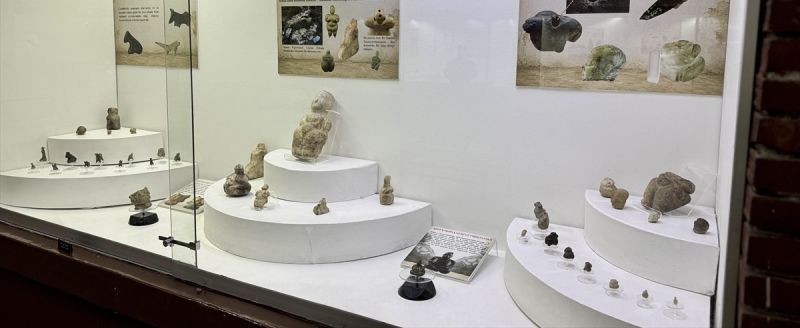
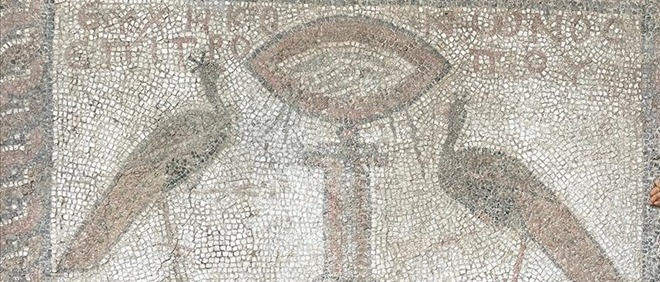
The geometric mosaic floor uncovered near the ancient city of Laodicea in Konya remains one of the region’s most striking archaeological discoveries and continues to be preserved in situ under museum supervision.
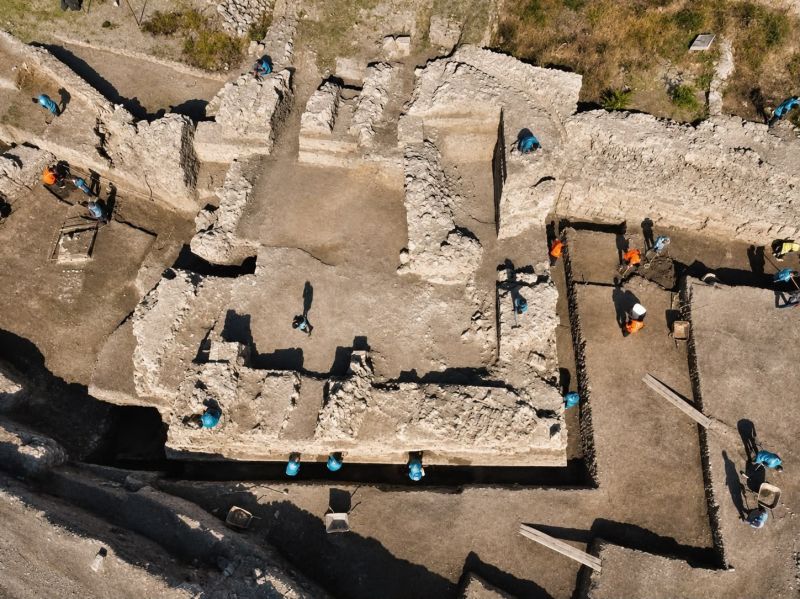
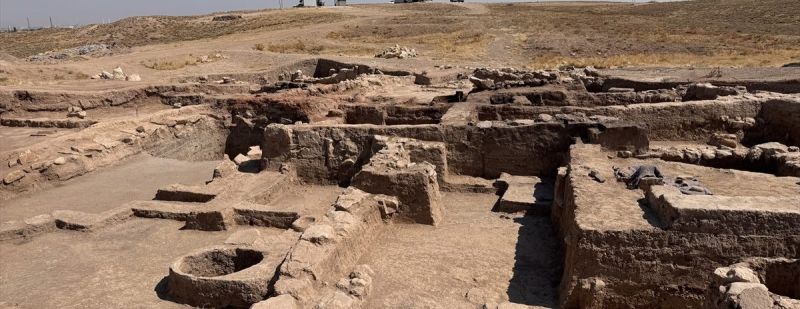
The structure was first identified after a landowner in the Ladik district applied for a construction permit and contacted the local museum authorities to determine whether the area was located within an archaeological site. Following official inspections, systematic excavations were carried out on a 373 square meter area, revealing a gymnasium complex from antiquity.
Excavation work uncovered a well preserved geometric floor mosaic along with columns, column bases, and a tomb constructed from reused architectural materials.
At the center of the mosaic, a Greek inscription reads “Made in the name of Ergenus, son of Dökumanos,” providing valuable insight into the individual associated with the construction of the structure. Today, the mosaic is protected with a specially designed roof and conservation materials, allowing it to remain safely displayed in its original location as part of Konya’s archaeological heritage.