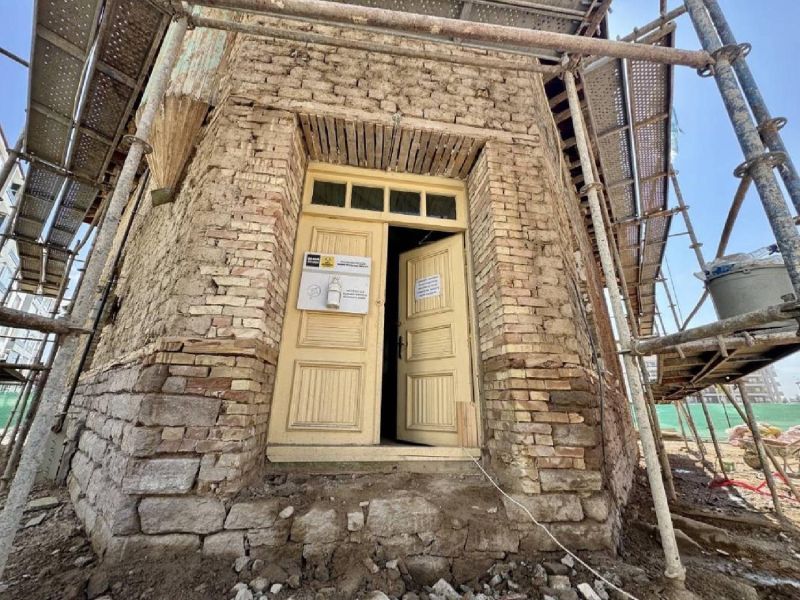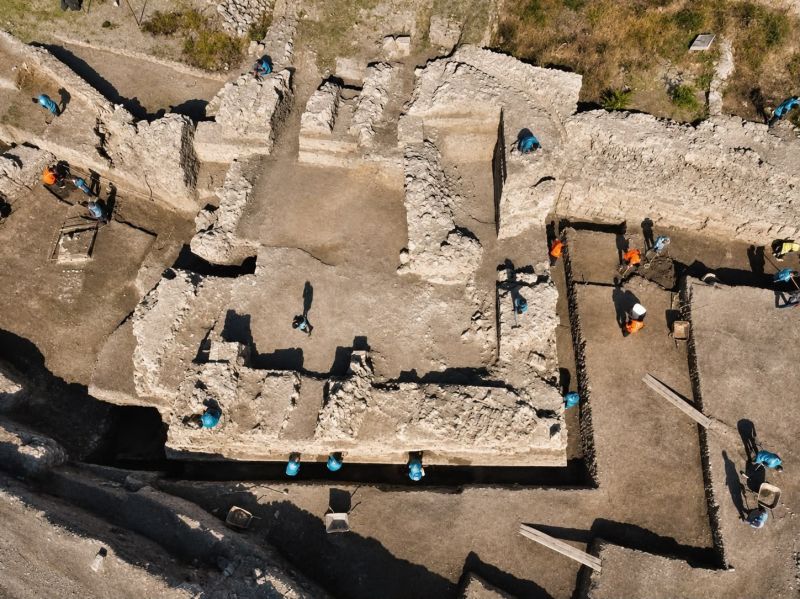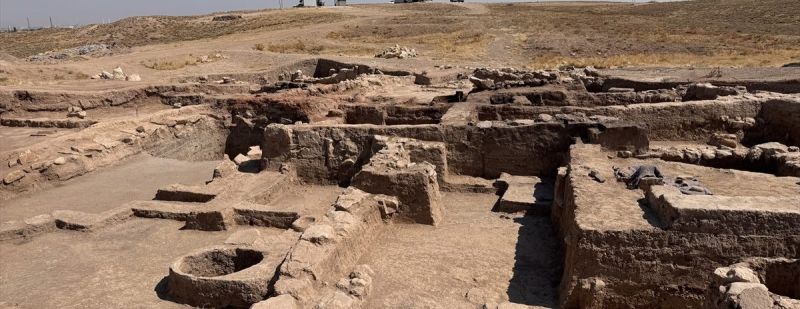
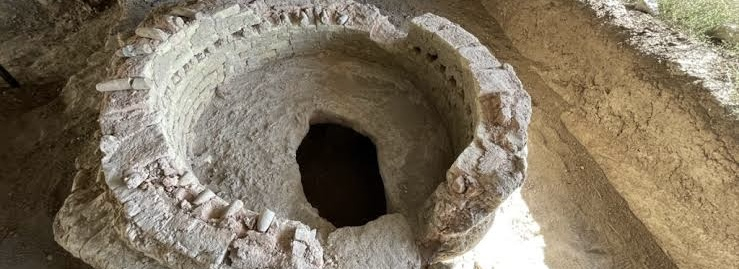
The ceramic kiln uncovered during excavations in Konya’s city center continues to stand out as one of the most significant archaeological discoveries from the Anatolian Seljuk period in recent years.
The kiln was revealed during rescue excavations carried out under the supervision of the Konya Museum Directorate within an urban transformation area located in a first-degree archaeological site in the Şükran Neighborhood of Meram district. The excavations, conducted in coordination with Meram Municipality, aimed to document and preserve cultural layers affected by redevelopment projects.
According to experts from the Konya Museum Directorate, the structure was identified after archaeological drilling indicated the presence of kiln-related materials. Subsequent excavations, which lasted for more than a year, exposed not only the ceramic kiln itself but also its well and several surrounding auxiliary structures, providing valuable insight into production processes of the period.
The kiln is dated to the mid-13th century, corresponding to the Anatolian Seljuk era, and is believed to have been used for producing kitchenware associated with the Seljuk palace. One of its most remarkable features is its state of preservation, with nearly 70 percent of the structure remaining intact. Specialists note that ceramic kilns rarely survive due to prolonged exposure to extreme heat and structural fragility, making this example particularly rare.
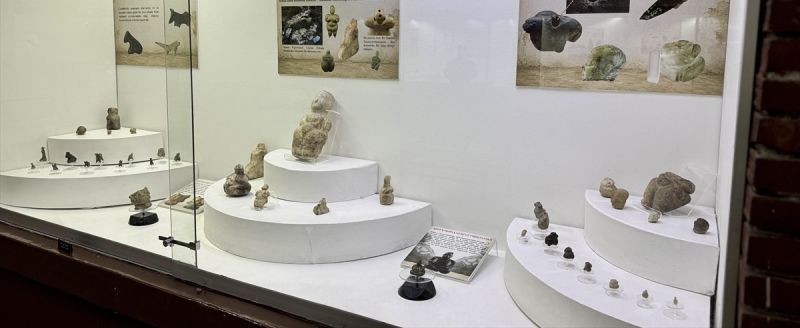
Archaeological work at the site also uncovered a range of related artifacts, including a boat-shaped vessel, processed quartz used as a raw ceramic material, and a clay pool known as a glaze basin, where raw materials were prepared for production. Additional findings such as clay-cracking pools and ceramic molds, including motifs of the double-headed eagle and peacock, further highlight the site’s importance in understanding Seljuk ceramic craftsmanship.
Today, the kiln is recognized as a key reference point for studies on Seljuk-era urban production in Konya, with documentation and conservation efforts forming an essential part of ongoing cultural heritage preservation in the city.