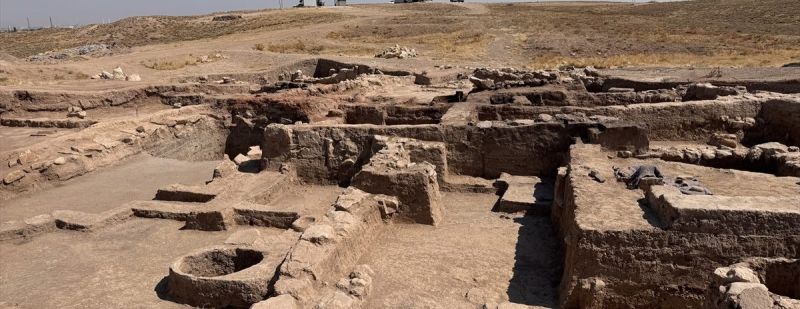
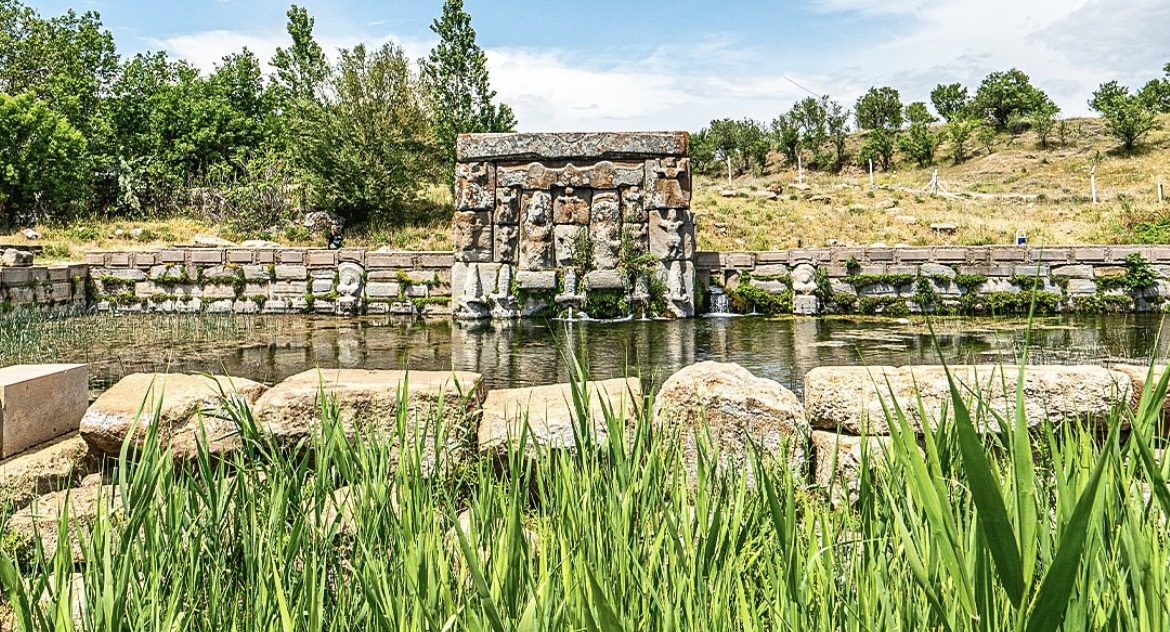
Located in Konya, the Eflatunpınar Hittite Water Monument is an open-air temple built during the Hittite period, around the 14th century BCE. This ancient site is remarkable not only for its detailed stone carvings and artistic value but also for its role in showcasing early water management techniques.
The monument served both religious and practical purposes, highlighting the importance of water in Hittite society.
Eflatunpınar features an intricate water basin carved directly into the rock, designed to collect and channel water. This reflects the Hittites’ advanced understanding of hydraulics and their ability to harness natural resources effectively. The monument’s reliefs depict symbolic motifs related to water deities and fertility, indicating that water was considered sacred and central to their spiritual beliefs.
As one of Konya’s most valuable archaeological treasures, Eflatunpınar offers a unique window into the past. Visiting the site allows you to appreciate the blend of art, engineering, and spirituality that defined Hittite culture. It’s a rare chance to see how ancient civilizations respected and managed water—a resource vital to life, agriculture, and religious rituals.
If you are in Konya, exploring the Eflatunpınar Hittite Water Monument is a must. Beyond its historical significance, it serves as a powerful reminder of humanity’s long-standing connection to nature and the essential role water has played throughout history. This monument is not only a testament to the ingenuity of the Hittites but also an invitation to reflect on the importance of protecting our natural resources today.