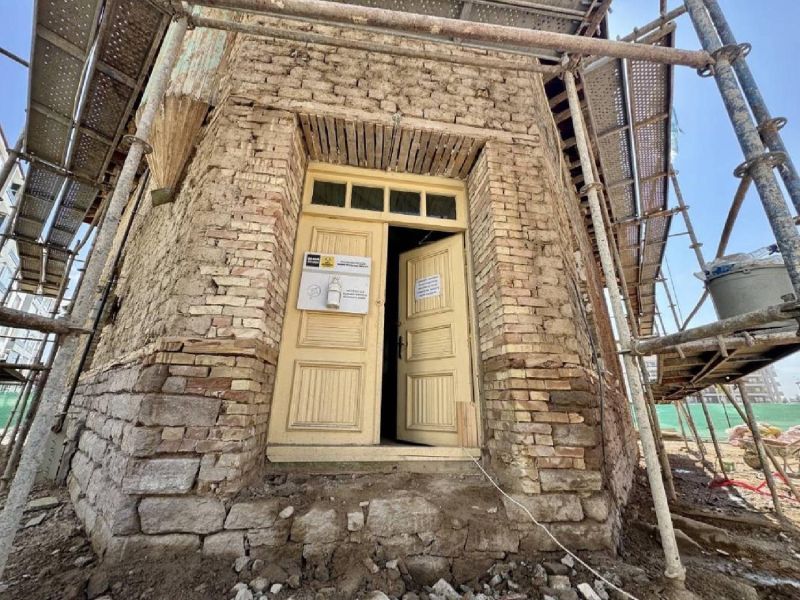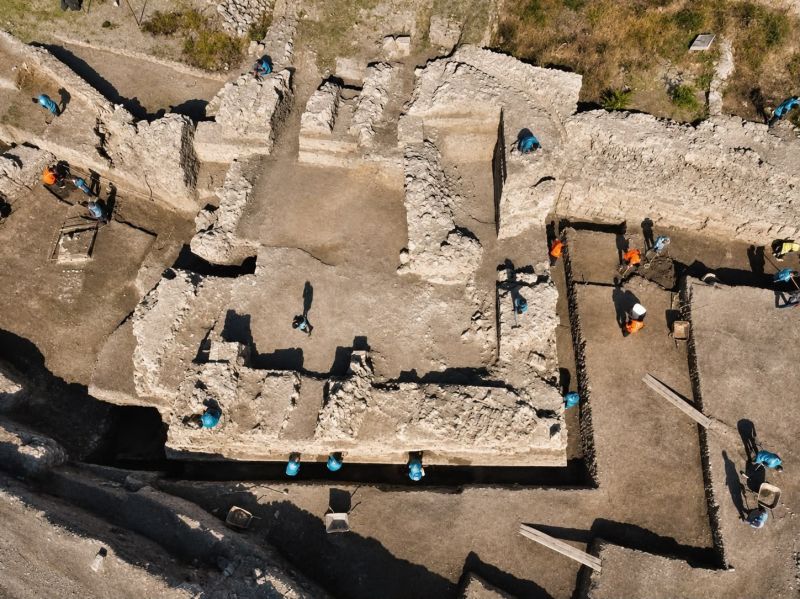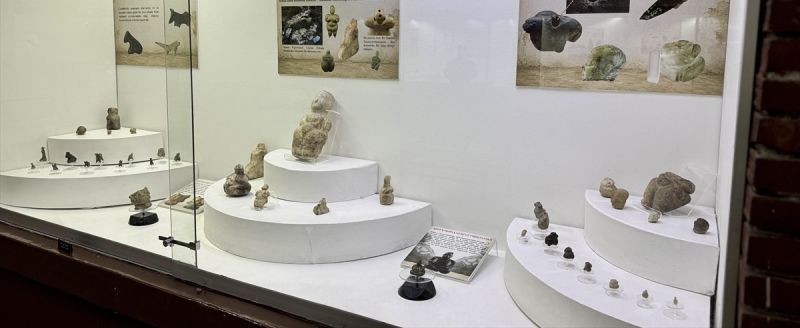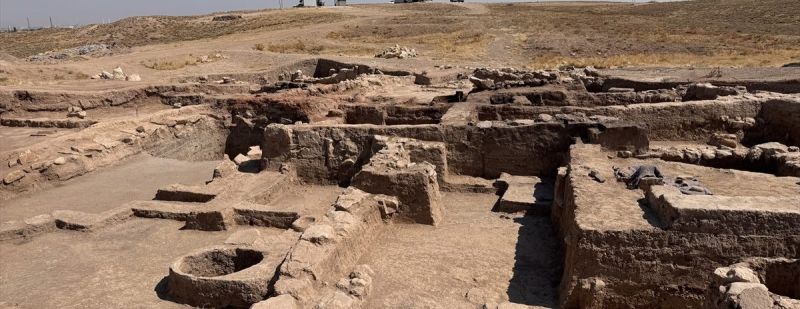

Konya, one of the oldest cities in the world, has a rich and diverse history that dates back thousands of years. Located in the heart of Anatolia, Konya has been a significant center of civilization since prehistoric times. Archaeological evidence from the nearby site of Çatalhöyük reveals that the region was inhabited as early as 7500 BCE, making it one of the earliest known human settlements.
Throughout history, Konya has been home to many civilizations, including the Hittites, Phrygians, Persians, and Romans. During the Roman and Byzantine periods, the city was known as Iconium. Its importance grew significantly during the Seljuk period, especially in the 12th and 13th centuries, when it became the capital of the Seljuk Sultanate of Rum.
Konya flourished as a cultural and political center under the Seljuks. It was during this time that the famous Persian poet and Sufi mystic Jalal al-Din Rumi settled in the city. His presence turned Konya into a spiritual and philosophical hub, and the Mevlevi Order (also known as the Whirling Dervishes) was founded there.
In the 15th century, Konya became part of the Ottoman Empire and continued to play an important role in the region. Today, Konya is known not only for its historical and religious significance but also for its contributions to Turkish culture, architecture, and art.
With its rich heritage, ancient landmarks, and deep spiritual roots, Konya remains one of Turkey’s most fascinating cities.