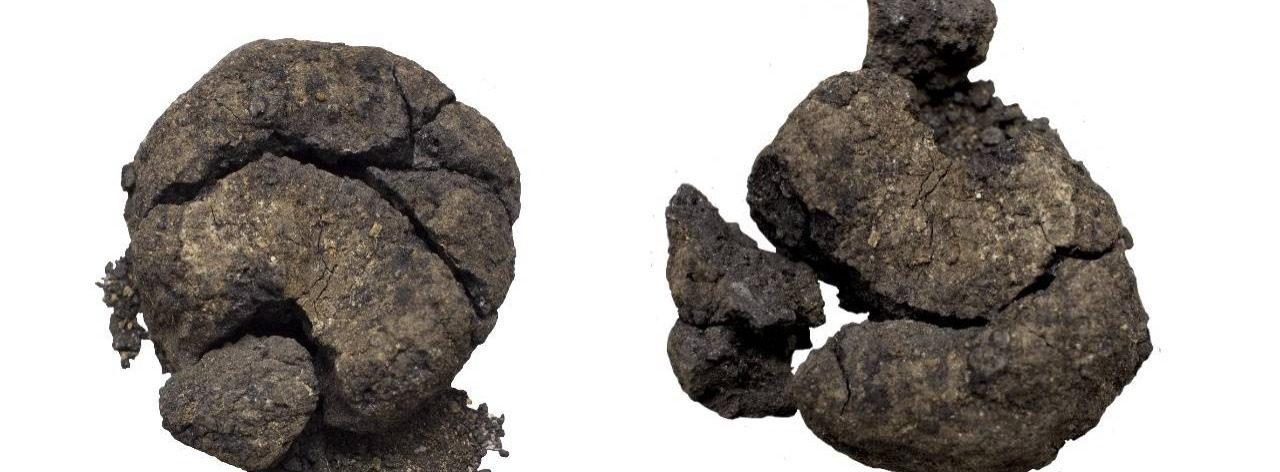
Archaeologists uncovered an 8,600-year-old piece of bread in what resembled an oven in the ancient settlement of Çatalhöyük, Konya.
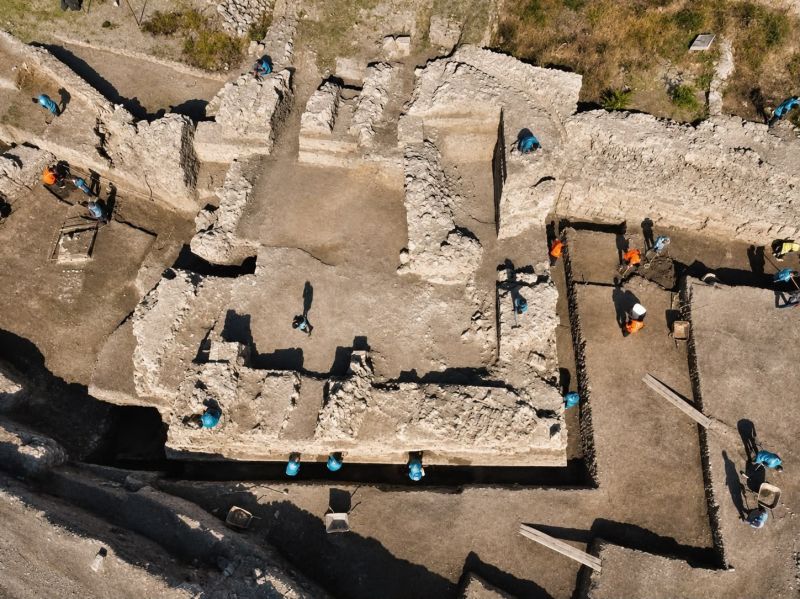
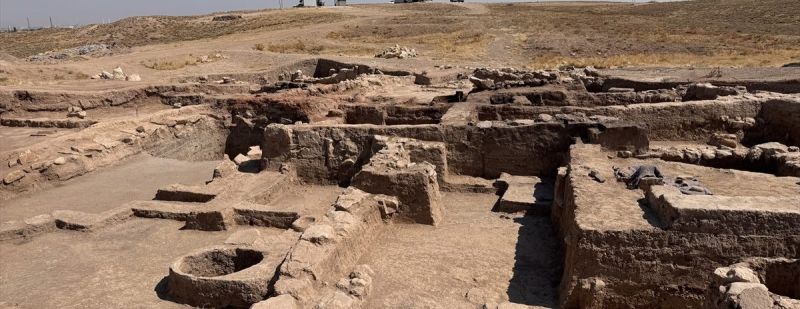
Located in the Cumra district of Konya, Çatalhöyük, where approximately 8,000 people lived together during the Neolithic period, a structure resembling an oven was discovered in an area known as "Space 66," characterized by adobe houses with interconnected roofs accessed from above.
The emergence of food archaeology within modern archaeology, emphasizes Anatolia's significance, particularly Çatalhöyük.
Near the severely damaged oven, a palm-sized artifact was found containing wheat, barley, and pea seeds, likely used for food.
Analyses conducted at the Science and Technology Research and Application Center of Necmettin Erbakan University in Konya revealed that the spongy residue identified as leavened bread dates back to 6,600 B.C.
The discovery in 2021, showcased Turkish excavations' ability to identify organic residues through "meticulous documentation and detailed studies.
Science and Technology Research and Application Center Deputy Director, Yasin Ramazan Eker, emphasized the center's capability to analyze archaeological findings and noted that they "could determine the chemical and physical structures of samples and interpret their significance."