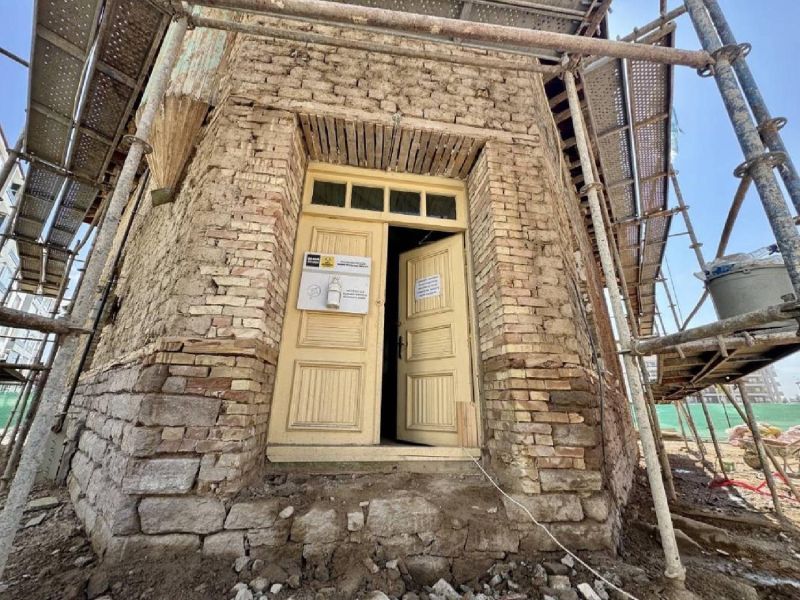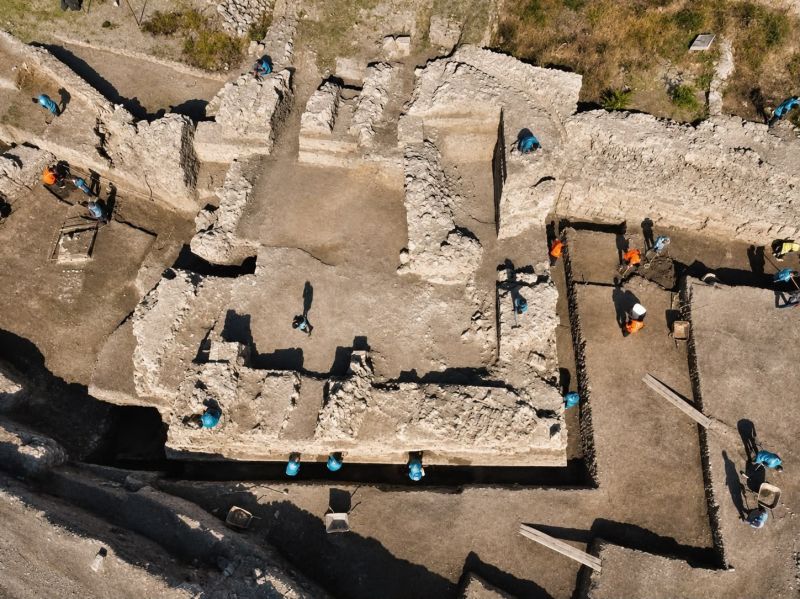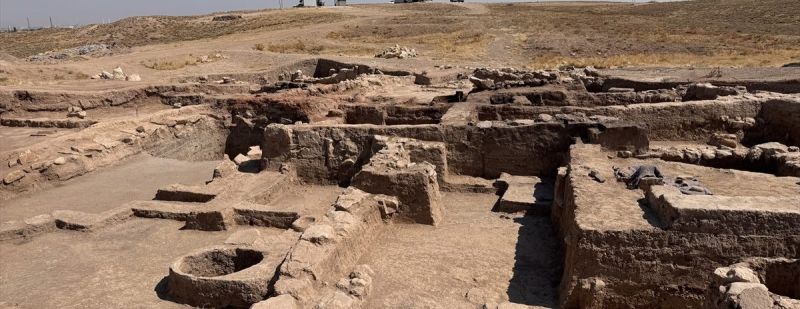
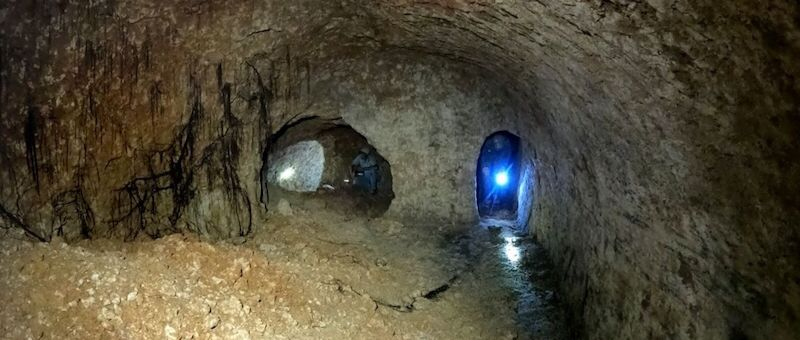
In Konya, another underground city was discovered one kilometer north of the Sarayönü Underground City dating back to the Roman period.
In the underground city uncovered in the studies conducted in the Sarayönü district of Konya, there are facilities such as a cistern capable of meeting the water needs of approximately 20,000 people, workshops of various sizes, and large spaces resembling a winery.
In the 20,000-square-meter area where the underground city has spread, researchers have identified a total of 41 locations so far. Based on the findings, researchers suggest that the underground city could be dated back to the 8th century. It is believed that the Christian local population might have constructed the underground city in the 8th century to protect themselves from raids that lasted for 150 years.
Hasan Uğuz, the Archaeologist and Excavation Director of Konya Museums Directorate, stated that during the ground-penetrating radar studies conducted in the region, they have identified another underground city one kilometer north of the existing underground city.
Uğuz stated, "The cistern has a width of 63 square meters. During the summer months, water accumulates here with a height of 120 cm. In other words, there is a water reserve of 63 cubic meters here. Along with the wells that feed the cistern, there is almost a water source for 20,000 people. When we had the water analyzed, we determined that it was of high quality for its period. The method of water filtration through the soil and the storage system ensures this quality."
Researchers found a winery during their excavation work.
Uğuz stated, "There is a grape-crushing area made of marble stones. There is a grooved area where grapes must flow and containers where it is stored. We found grape seeds and sediments in the samples taken from the winery. We will conduct further analysis in the coming period. We hope to obtain an ancient seed from the grape seeds we found. The discovery of both the cistern and the winery reveals that this area has a much broader range of uses than our initial assumptions."