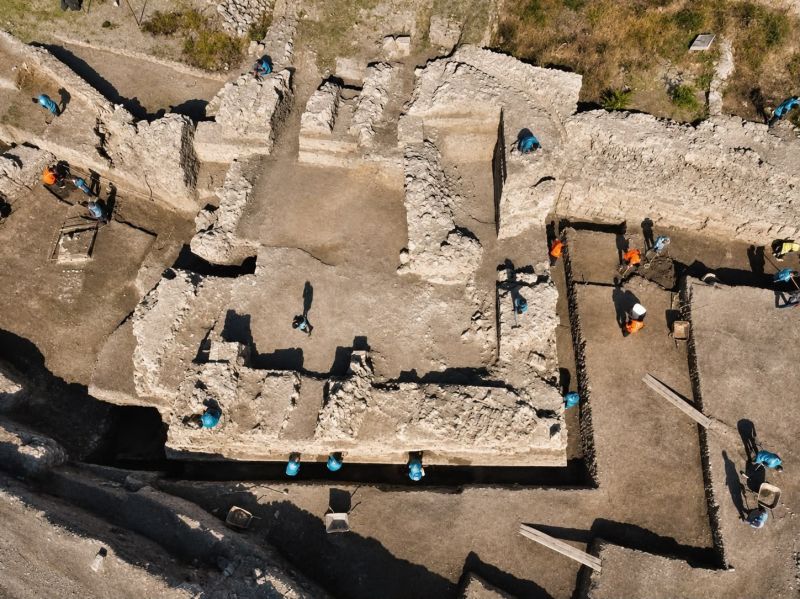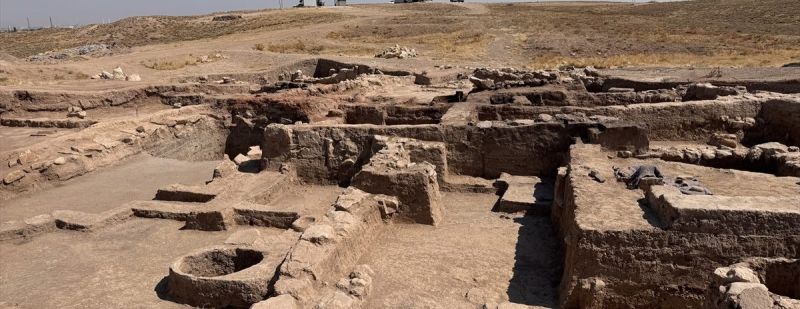
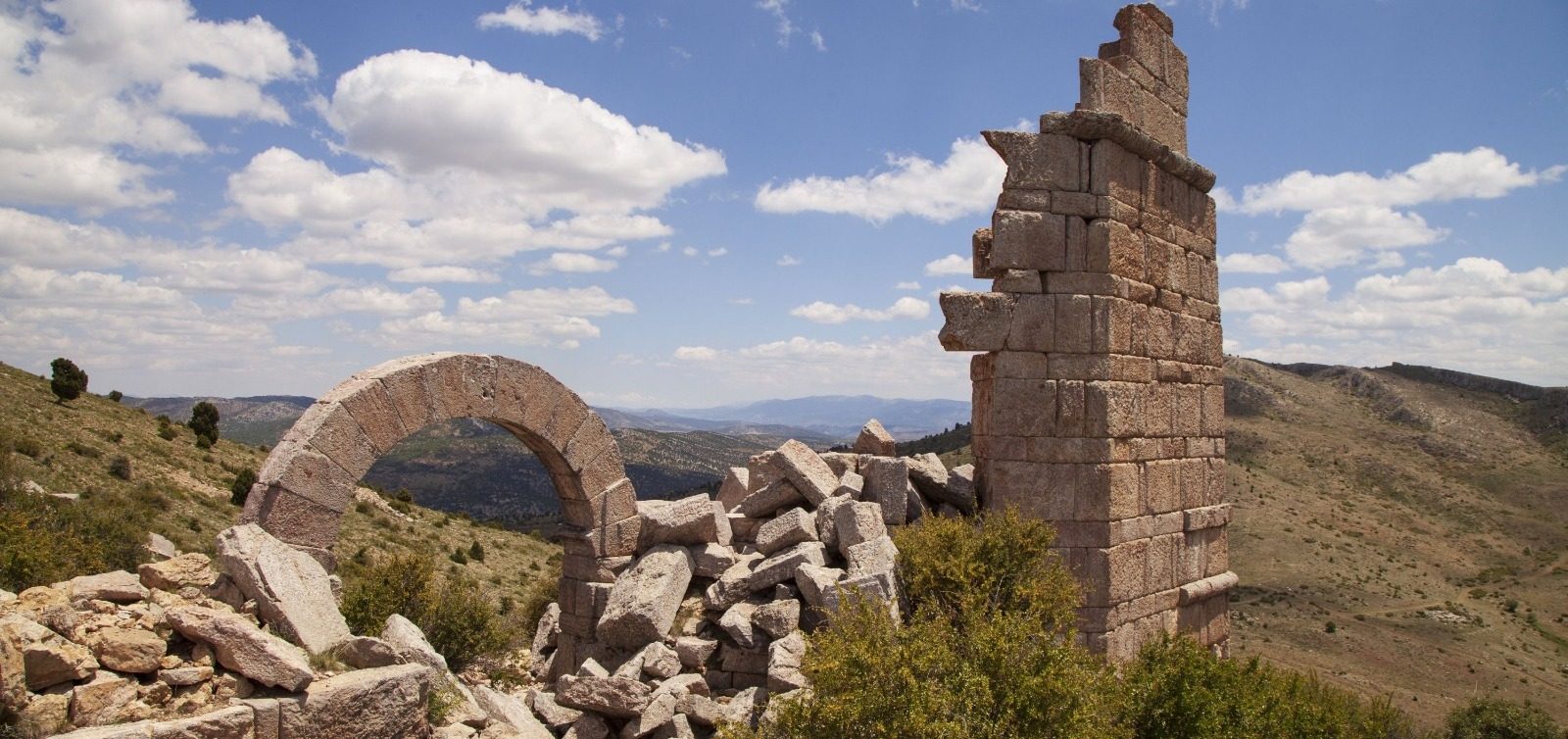
Zengibar Castle built at an altitude of 1850 meters on the summit of Mt. Asar, which is a continuation of the Taurus Mountains and between the present-day neighborhoods of Hacılar and Ulupınar in the Bozkır district was used by Hittites, Persians, and Romans in ancient times. It attracts its visitors in spite of the unrevealed parts.
The castle surrounded the Isaura Ancient city which was one of the biggest and most important cities in ancient Romans. Some parts of the walls and bastions of the castle still stand. Visitors today can drive there from the Hacılar neighborhood via the Konya-Bozkır road by following the stabilized road and the road banners. A 4-meter-high gate topped by an arch welcomes visitors into the ancient city. The gate was constructed between two towers, one of which has been completely destroyed, in a pentagonal and hexagonal architectural structure to the south of the castle. In the Zengibar castle, which is one of the most important examples of ancient Roman stonemasonry, different architecture structures such as the theater, triumphal arch, the church, aqueduct bridges and similar structures stand out.
If you follow the main street after entering through the gate in the south, you will reach the triumphal arch and the basilica, the largest building in the city, which was later used as a church. Some of the stones in the city feature many stone rubbings of images such as wreaths, helmets, knee pads, swords, shields and arrows.
THE LARGE STONES CUT FROM THE SUMMIT OF THE MOUNTAIN REMAIN A MYSTERY
The stones used in the construction of the castle's 3.5-meter-thick fortifications were brought from the stone quarry at the summit of the mountain. How these large, rectangular stones were cut to mill metric perfection thousands of years ago remains a mystery. As the castle was located in a strategic point that dominates around, it is known that it was used by the Hittites and Persians before the Romans. During the Roman period, Isaura Ancient city was inhabited by 10.000 people and described as the "Ephesus of Konya" with its unearthed historical riches.