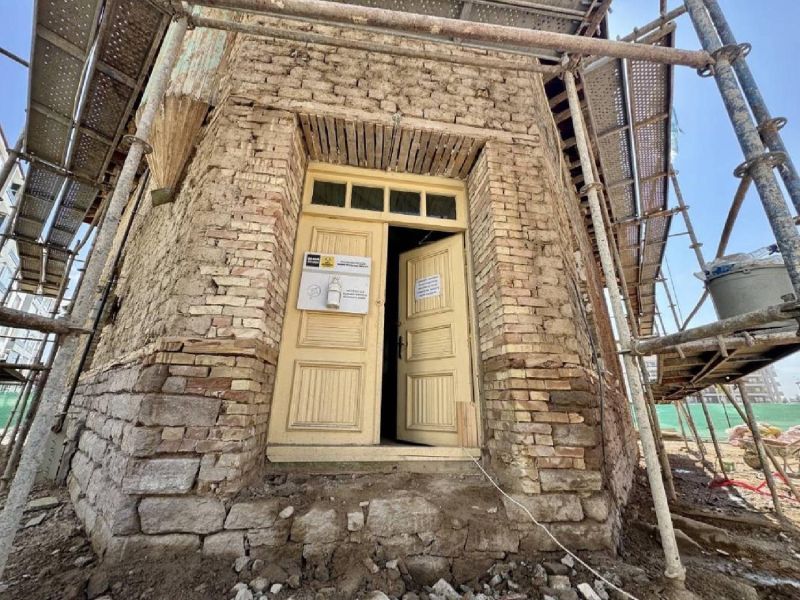
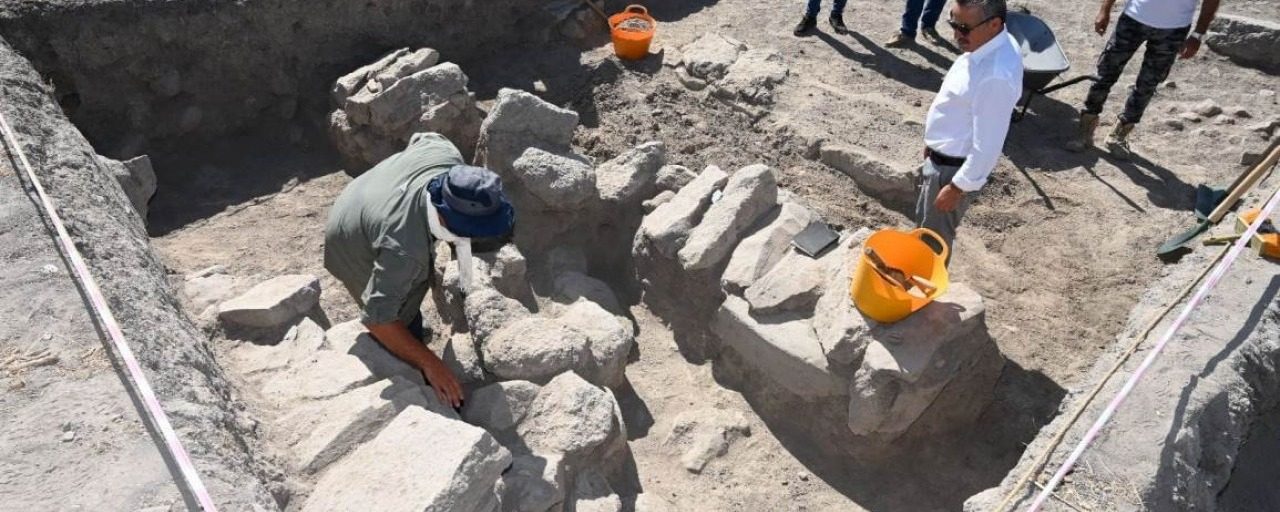
Konya, which is home to the 10,000-year-old archaeological site of Çatalhöyük, is becoming a contender in historical tourism. Important progress has been made in the Gökhüyük excavations in Seydişehir. The findings will shed light on the 7,000 BC period.
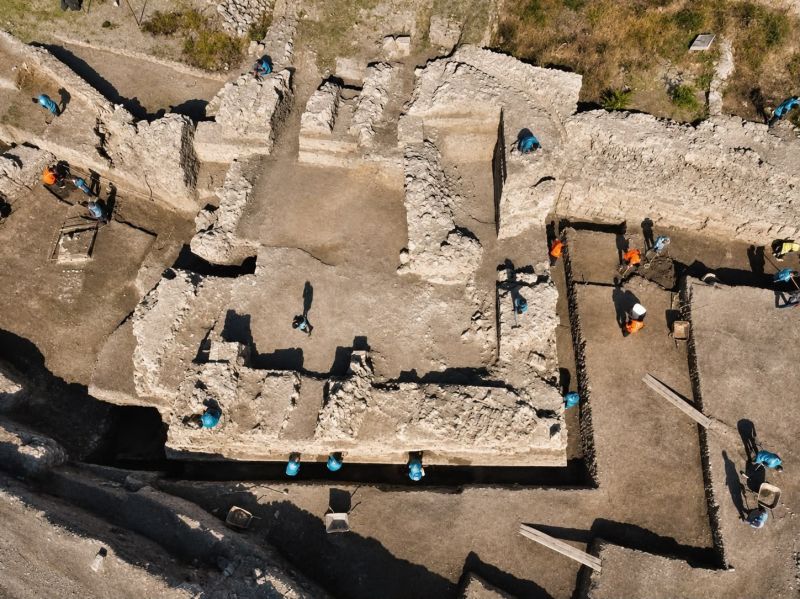
Research activities related to the prehistoric period in the Gökhüyük neighborhood of Seydişehir, as part of the collaboration and protocol signed between Seydişehir Municipality and Selçuk University, are continuing.
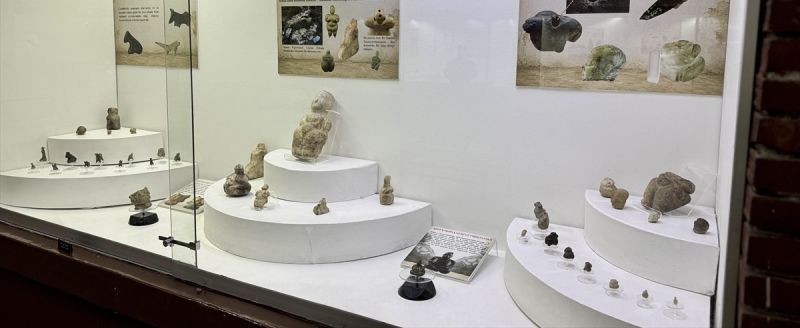
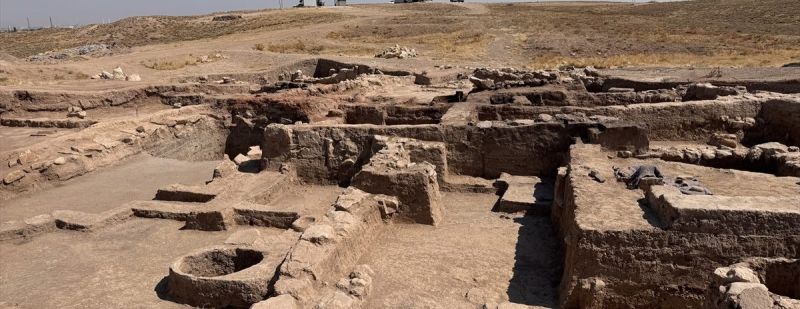
As a result of the conducted studies, findings have been obtained. Within the scope of the research, significant data regarding the prehistoric period in the region is being uncovered, revealing the historical background of the area. Through scientific methods employed in the conducted research so far, evidence related to 5 different periods has been identified in the settlement.
Gökhüyük is estimated to be a settlement that could shed light on approximately 7,000 BCE in the southern part of Central Anatolia.
Seydişehir Mayor Mehmet Tutal stated, “The excavation efforts being meticulously conducted in our district will shed light on the prehistoric periods of the region and bring forth significant cultures. With this understanding, we attach great importance to the ongoing archaeological excavations in the Gökhüyük neighborhood. There are many remnants and artifacts from prehistoric periods, ancient eras, Roman, Byzantine, and Ottoman periods. Seydişehir's strategic location, especially along the Ankara-Antalya route and its proximity to Antalya, just a few kilometers away, lead me to believe that historical tourism will thrive in this area. I express my gratitude to our respected professor and the team, as well as to the authorities of the Ministry, for their efforts. We have conducted fruitful work together, and I hope that the outcome will be equally promising. I wish the endeavors to bring benefits to our district, region, Konya, and the country as a whole.”