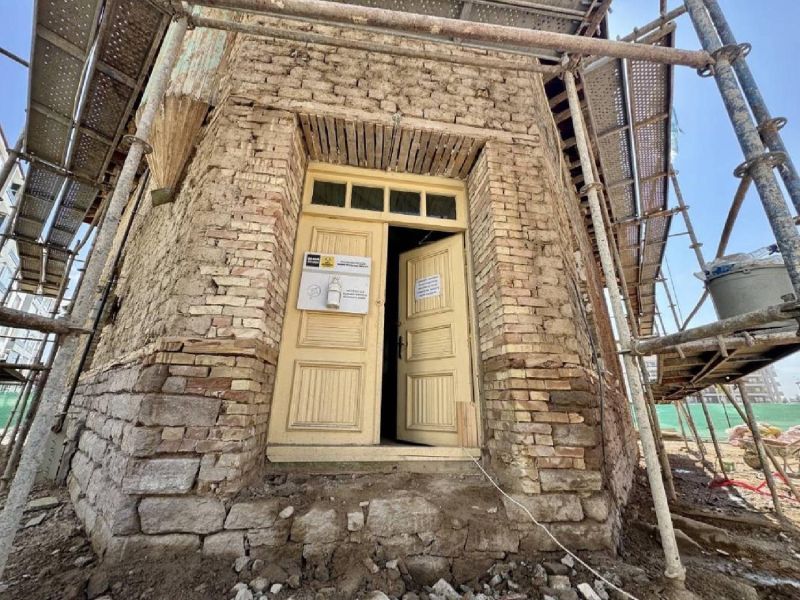
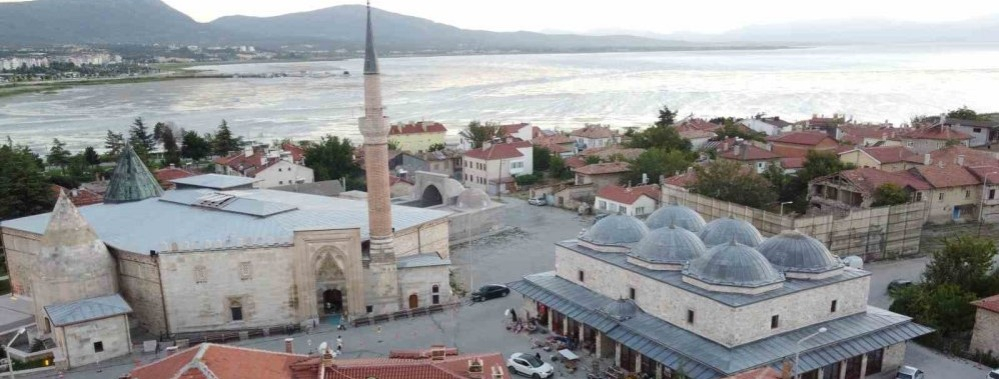
One of the earliest surviving covered bazaars in Anatolia, located in Konya, is regaining its historic identity. The Esrefoglu Süleyman Bedesten (covered bazaar), said to be one of the earliest surviving covered bazaars in Anatolia, located in the Beyşehir district of Konya, is returning to its historic and original identity.
According to Professor Dr. Hüseyin Muşmal, a faculty member in the History Department of the Faculty of Literature at Selçuk University, the Esrefoglu Bedesten, which was built in the 13th century and is located within the Historical Esrefoglu Mosque Complex, is unique in Anatolia as there is no other similar one. "It is a unique Bedesten in this regard. Of course, since it was rebuilt in the 16th century, its 13th-century features have changed, and it has taken on a bit of an Ottoman Bedesten identity." said Muşmal.
During the Republican era, it was seen that the Esrefoglu Bedesten was renovated again in the 1970s by the efforts of the General Directorate of Foundations, even though it was in ruins. In recent times, the Konya Metropolitan Municipality completely restored the Esrefoglu Bedesten to its original, authentic state, in accordance with its historical identity. "How did this happen? Traders who have come to Beyşehir today have opened their stalls and started selling goods in the Bedesten, which was used as small shops." said the professor.
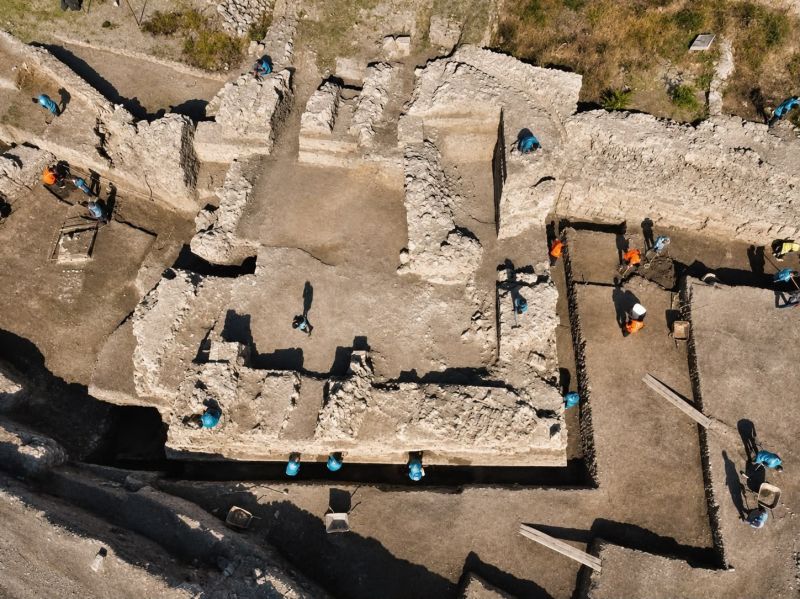
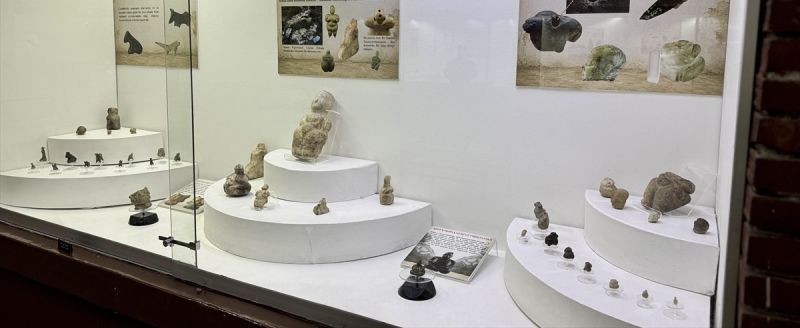
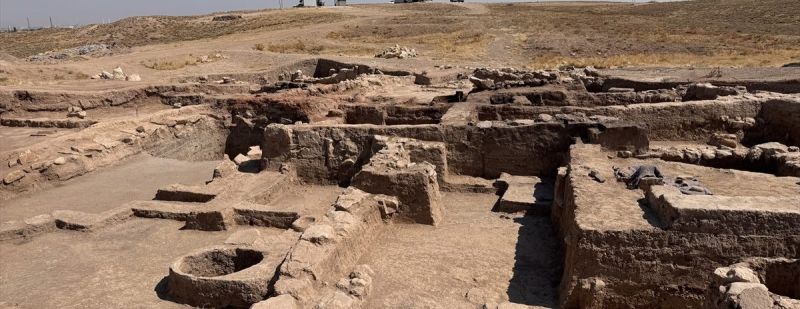
Professor Muşmal emphasized that today, the famous Beyşehir pottery is also sold in the Bedesten, which has begun to regain its historical identity. "Especially in the Doğanbey region, pots called Davgana were produced. In the area stretching from Hüyük to Beyşehir, where there are areas with red soil, it is very suitable for pottery making. These pots were sent to many parts of Anatolia. At one time, the Eşrefoğlu Bedesten in Beyşehir was the center of pottery production. The Bedesten was also a place where historical pipes were produced. So, sometimes you can come across historical pipes in the Esrefoglu Complex. With the excavation of the sewer system and other elements, it has become a place where art is brought together with artists and art lovers. On this occasion, we would like to thank Konya Metropolitan Municipality, Beyşehir Municipality, and Beyşehir and Konya officials who have contributed to this place." said the professor.
Hidayet Çiçek, who runs a business selling medicinal herbs collected from the Anamas Mountain in the historical Bedesten, also emphasized that the Bedesten was a trading center during the Seljuk period. He said, "Merchants conducted their trade in these shops. They kept ancient history alive for us. Coming to the Esrefoglu region and staying here for even an hour is like therapy."