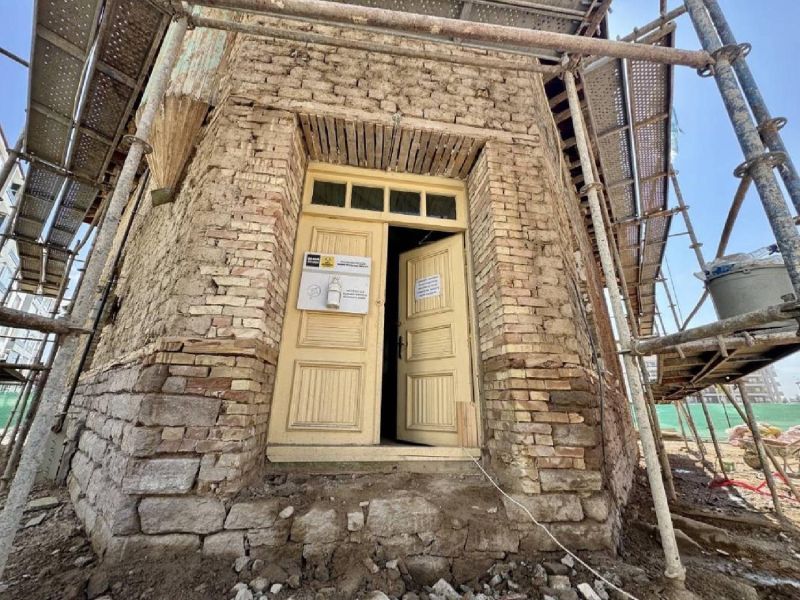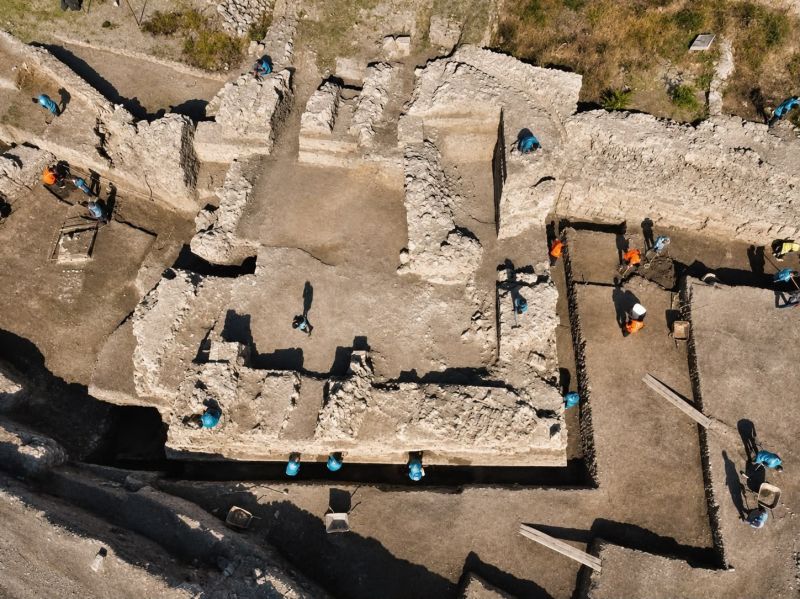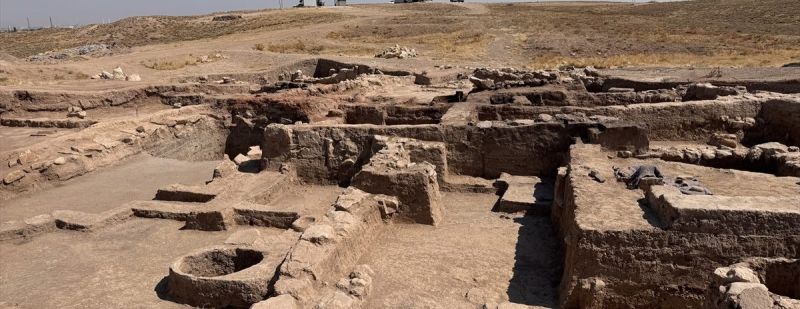
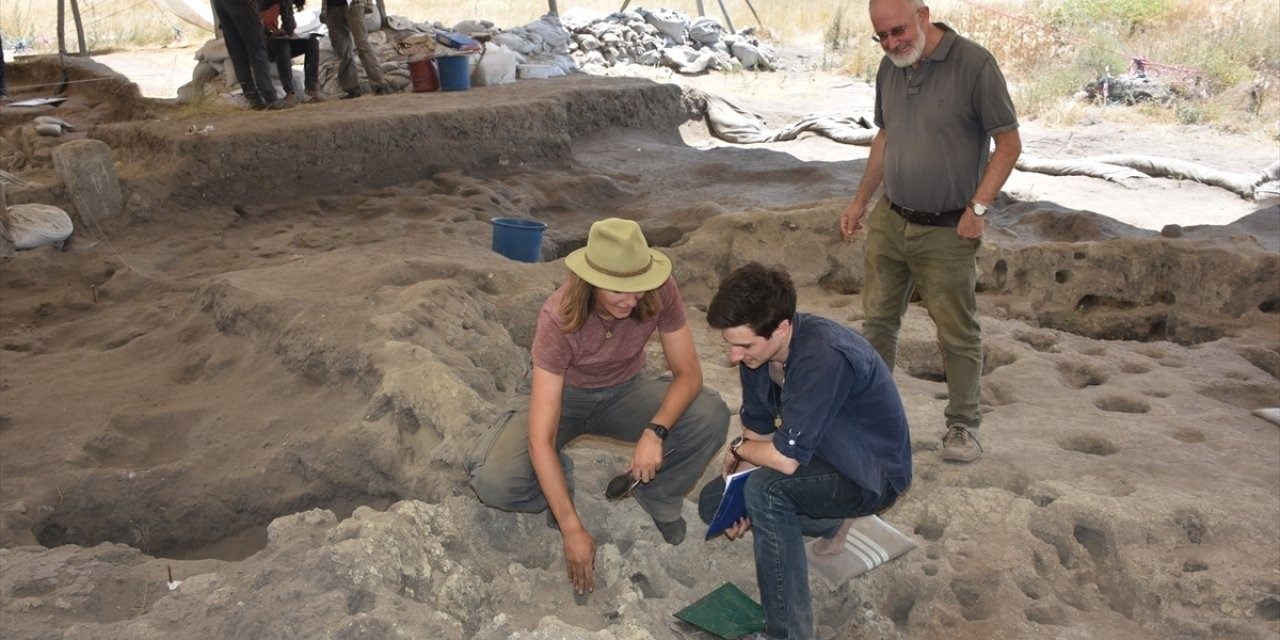
Archaeological excavations at Boncuklu Höyük continue under the direction of Prof. Dr. Douglas Baird, Lecturer at the Department of Archaeology at the University of Liverpool, and Assoc. Prof. Dr. Gökhan Mustafaoğlu, Lecturer at the Department of Archaeology at Ankara Hacı Bayram Veli University.
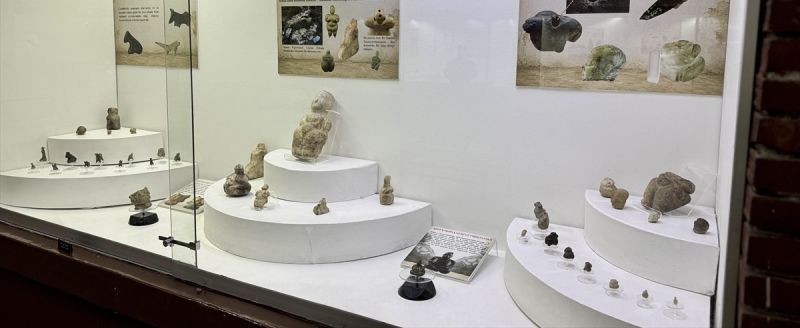
Mustafaoğlu said that the mound was noticed in 2002 during surface surveys in the Hayiroglu neighborhood of Konya's central Karatay district, and after a large amount of obsidian stone tools and beads were found on the surface, it was understood that it may belong to the Prehistoric period.
Stating that they started excavation in 2006 after completing the surface survey, Mustafaoğlu said, "We spent 14 seasons at Boncuklu Höyük. Unlike where it is now, it was surrounded by swamps and wetlands during the Neolithic period. There are also hunter-gatherers living in a nomadic state in this region. Boncuklu Höyük is very important in terms of being a protected area where hunter-gatherers living as nomads are now gradually settled and started some practices for agriculture and animal husbandry, albeit at a very low level."
Noting that according to archaeobotanical data, the Boncuklu Höyük settlement contains the first traces of wheat, lentils and pea cultivation in the Konya Plain, Mustafaoğlu said that it is clearly seen that the Boncuklu community has implemented a fixed, small-scale form of food production.
Mustafaoğlu stated that according to carbon and nitrogen isotope analyzes, sheep and goats were fed at Boncuklu Höyük and that the findings of the use of herbivorous animal feces in the settlement supported this.
Prof. Dr. Baird stated that people prefer Boncuklu Höyük in terms of having very favorable areas for hunting and gathering activities.
Emphasizing that they can say that they have provided very favorable conditions for this place in a wide perspective from the evidence they have found from the excavations, fish bones, waterfowl, wild boars they hunt in the region to cattle, Baird said, "Beaded Mound is a very important place for us to see the first traces of the transition to settled life, agriculture and animal husbandry, albeit slowly, at a very low level. The oldest Konya people started agriculture in this region."
Referring to the fact that they found beads in the graves of men and women in Boncuklu Höyük, in the spaces between the houses and inside the houses, Baird said that they thought that it was not only used for ornamental purposes, but also had symbolic meanings.
Baird pointed out that Boncuklu Höyük was dated to 9200 BC and about 11 thousand 200 years ago today, and continued as follows:
"This shows that it is about 2,000 years older than Çatalhöyük. There is also very important evidence to show that Boncuklu Höyük is the direct ancestor of Çatalhöyük. Recent studies have shown that the Boncuklu community and a large part of the community in Çatalhöyük have a common genetic heritage. There is also some strong evidence of continuities that the population in Boncuklu played a role in the development of the Çatalhöyük community. The practices that pre-shaped those in Çatalhöyük and were not seen in other early Neolithic settlements in Central Anatolia consisted of the symbolic detailing of clean areas by dividing the floor area into clean and dirty-kitchen areas and the use of ritual practices such as human burial, placing animal heads such as wild oxen on the walls, painting floors and walls, and reliefs made of clay. The world of abstract meanings created through the constant reconstruction of the living house and the rituals that determine the death and rebirth of the house is also a common feature observed between the two communities."
Baird said that Boncuklu Höyük was abandoned around 7600 BC, which dates back several centuries before the founding of Çatalhöyük.