The biological agents, isolated from sugar beet fields in Konya, have been shown to reduce nitrogen use by 20-25 percent and water consumption by up to 25 percent.
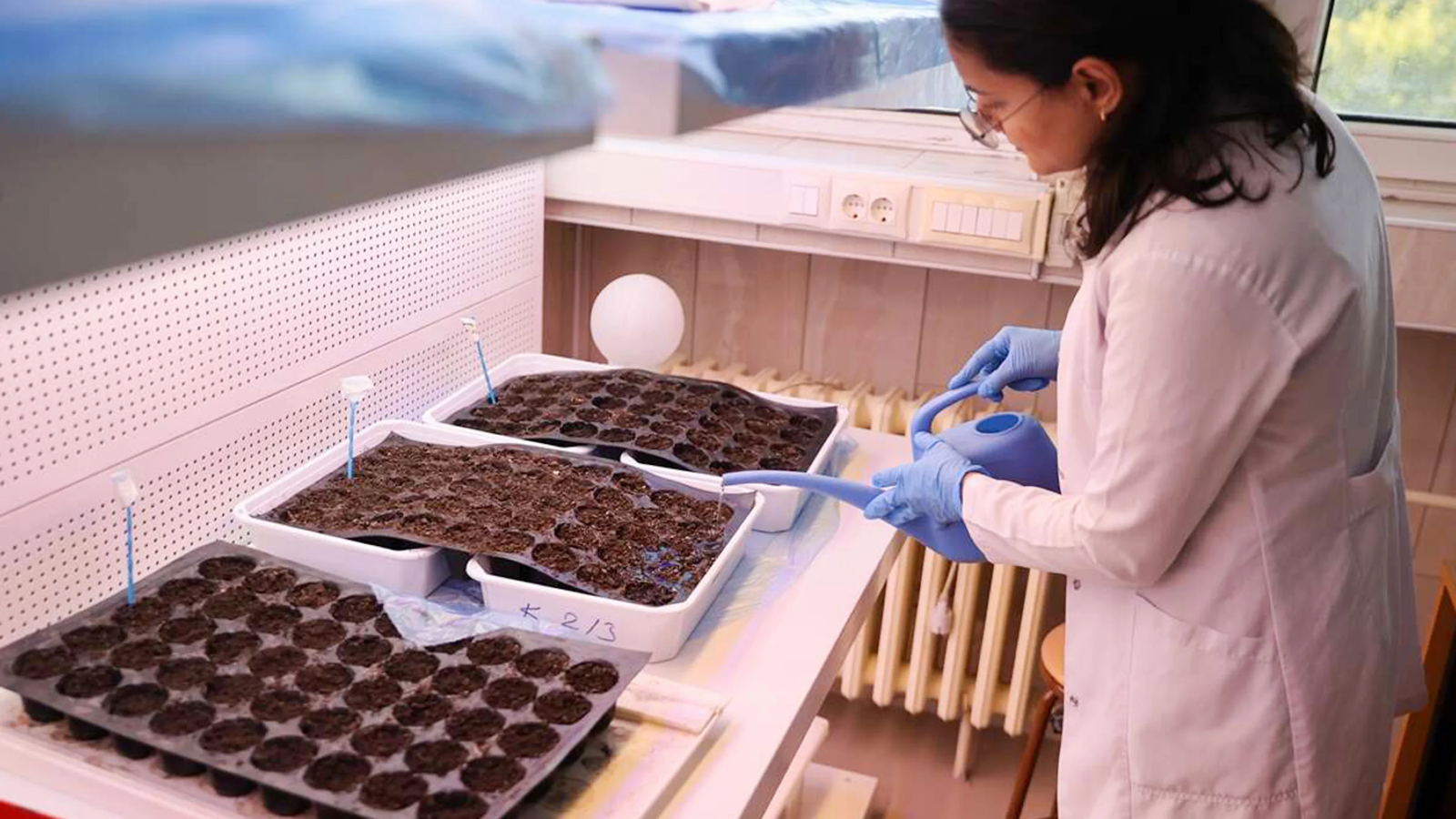
The bacteria were isolated and examined in laboratory conditions using soil samples collected from sugar beet production areas by the University’s Research and Application Center for Agriculture and Climate Change. Initially launched to find a solution to root rot disease, the research gradually led to the discovery of beneficial bacteria that facilitate nutrient uptake in plants and improve their resistance to environmental stress.
Prof. Dr. Kubilay Kurtuluş Baştaş, director of the center, said thousands of bacteria had been isolated and stored over the years, with their beneficial properties compared through trials conducted in different years. Noting that bacteria enabling plants to use fertilizers more efficiently had emerged as particularly promising, Baştaş said nitrogen use could be reduced by 20-25 percent, while water consumption could be cut by up to 25 percent.
Emphasizing that the findings were not coincidental, Baştaş said the results had been verified through repeated trials over different years. He noted that the research had been continuously tested for seven to eight years and was backed by nearly a decade of scientific work. He added that efforts to isolate new bacteria and investigate their different properties were ongoing.