Konya Metropolitan Municipality has taken another significant step toward digital transformation and the adoption of smart maintenance technologies in rail systems.
As part of the PantoTECH Project, supported by EIT Urban Mobility (EIT UM), the onboard installation of a pantograph and catenary monitoring system has been successfully completed, and the system has been put into operation in Konya.
Supported through EIT Urban Mobility, one of Europe’s major innovation networks, the PantoTECH Project is being piloted in Konya for the first time in Türkiye. The project aims to make rail system maintenance processes more data-driven, preventive, and predictive.
Over the course of the two-year project, a system is being developed to digitally collect, monitor, and analyze technical data on the interaction between the pantograph, which supplies power to trams, and the catenary line.
Konya Metropolitan Municipality Mayor Uğur İbrahim Altay said they closely follow technological and innovative applications in rail systems, adding that implementing the €2.25 million PantoTECH Project in Konya for the first time in Türkiye represents a significant achievement for the city.
Emphasizing that Konya is strengthening its rail system infrastructure not only through new lines but also through digital technologies and smart maintenance applications, Mayor Altay said: “We continue to bring technologies to our city that will enhance operational safety, efficiency, and service quality across our rail systems. The PantoTECH Project is an important example of this approach. With this project, which will be implemented in Türkiye for the first time, we aim to manage the maintenance processes of our rail systems more effectively using real-world data collected directly from the field.”
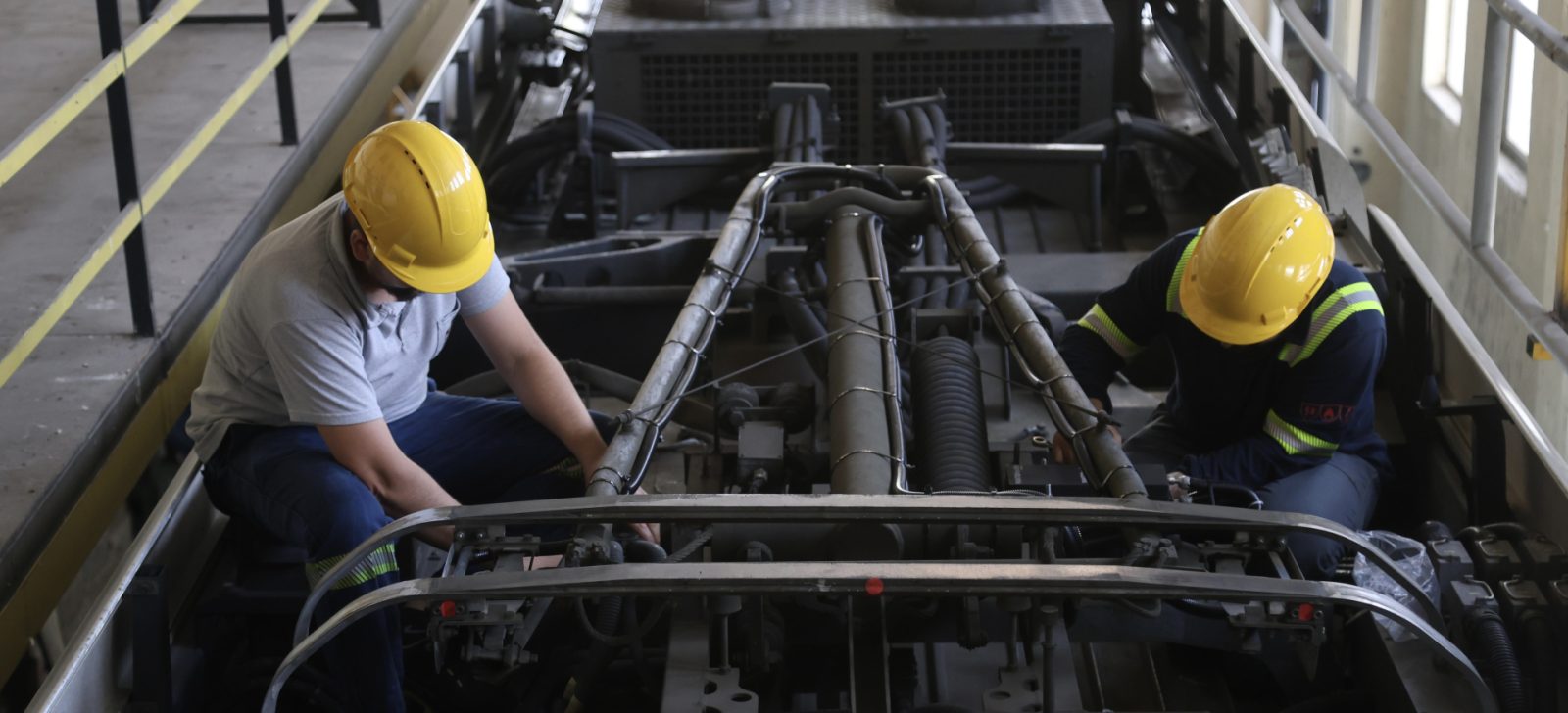
Through joint efforts by the PantoHealth team and the Rail Systems technical teams of Konya Metropolitan Municipality’s Transportation Department, installation, integration, and technical checks were carried out between August 6 and 11. Following the completion of these activities, the PantoTECH system was successfully commissioned.
Checks conducted following the tram’s first operational runs within the city showed that the devices were operating reliably and stably, that the data collected by the system was being transferred to the digital environment continuously and without errors, and that the data communication infrastructure was functioning successfully.
The PantoTECH system is designed to enable the early detection of potential anomalies in pantograph-catenary systems, more accurate identification of maintenance requirements, and more effective planning of maintenance activities.
While supporting conventional periodic and physical inspections, the data generated by the system will enable the continuous assessment of real-world data collected from the field. This is intended to help establish a more robust digital maintenance infrastructure.
The project’s long-term objectives include reducing the impact of potential failures on operations, improving the efficiency of maintenance processes, lowering operating costs, and enhancing the quality of public transportation services.
As part of Konya Metropolitan Municipality’s digital transformation efforts in rail systems, the municipality aims to anticipate maintenance needs and respond to potential failures at an earlier stage by digitally evaluating technical data collected from the field. In this regard, the PantoTECH Project will contribute to strengthening a data-driven maintenance approach in rail system operations.
The field data collected as part of the PantoTECH Project is planned to be integrated with Konya Metropolitan Municipality’s existing digital twin infrastructure in the coming stages.
This will support the development of infrastructure for more comprehensive monitoring of the condition of vehicles, pantographs, and catenary systems. The project represents one of the significant steps in Konya Metropolitan Municipality’s ongoing digital transformation efforts in rail systems.
Following the successful commissioning of the system in the pilot application in Konya, the next phase of the project will include training on the use of panels for evaluating the data collected through the system. Work will also be carried out on the maintenance and operational procedures for the devices.