Nestled on the shores of Turkey's largest freshwater lake, Beyşehir is a city where history, faith, and nature embrace each other. From ancient Hittite monuments to Seljuk mosques, from mystical springs to the breathtaking Beyşehir Lake, the region invites travelers to a journey that blends culture with serenity.
Eşrefoğlu Mosque
Built in 1299 by Emir Süleyman Bey, it is one of the most important wooden-column mosques in Anatolia.
Famous for its ornately carved wooden pillars, turquoise tiles, and snow pit used for cooling.
Recognized by UNESCO's Tentative World Heritage List.
It stands as a symbol of Seljuk craftsmanship and spiritual devotion.
Fasıllar Monument
Dating back to the Hittite period (13th century BCE), the monument depicts gods and lions carved into massive rock blocks.
It is thought to have been a religious sanctuary or a commemorative monument.
Nicknamed "the Hittite Sphinx of Beyşehir," it connects visitors to an era more than 3,000 years ago.
It stands as a symbol of Seljuk craftsmanship and spiritual devotion.
Eflatun Pınar
An impressive Hittite spring sanctuary located about 22 km from Beyşehir.
Features reliefs of gods, sun disks, and sacred water flowing from a stone-structured pool.
Listed on UNESCO's World Heritage Tentative List, it symbolizes the sacred bond between water and life in Hittite culture.
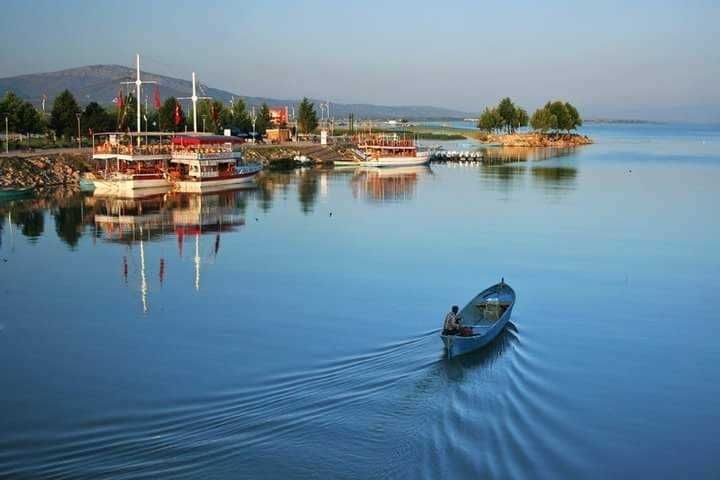
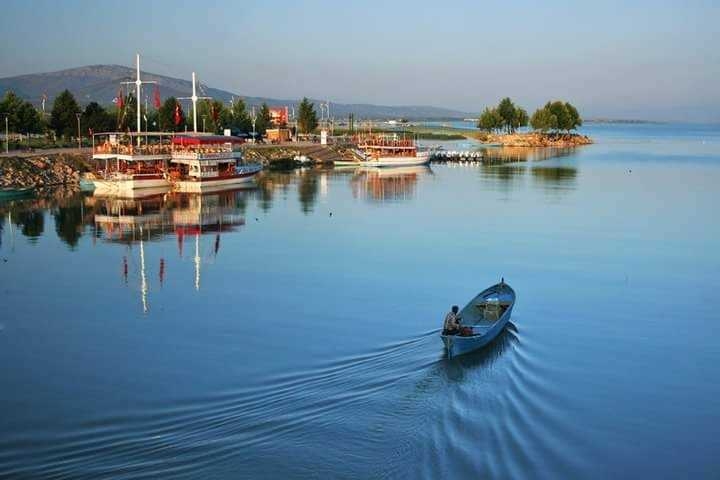
Beyşehir Lake
Known as Turkey's largest freshwater lake, stretching across Konya and Isparta provinces.
Ideal for boat tours, fishing, and lakeside picnics.
Home to over 30 islands-some with Byzantine ruins.
The lake is also a birdwatcher's paradise, hosting migratory species
Kubadabad Palace Ruins
Built by Seljuk Sultan Alaeddin Keykubad I as a summer residence on the shores of Beyşehir Lake.
Excavations revealed colorful Seljuk tiles, ceramics, and palace structures.
Offers a glimpse of royal Seljuk life by the water..
Stone Bridge (Taşköprü)
Constructed in the early 20th century (1908-1914) during the Ottoman period.
Connects the lake to the Beyşehir Canal, enabling irrigation and agriculture.
Known for its aesthetic stone arches, it remains one of the city's iconic
National Park of Beyşehir Lake
A vast protected area covering forests, wetlands, and lakeside ecosystems.
Perfect for trekking, camping, and photography.
Visitors can enjoy both cultural tours and untouched nature in a single trip.
How to Get There: Beyşehir is located 90 km west of Konya; regular buses and car rentals are available.
Best Time to Visit: Spring and summer for boat rides; autumn for cooler hikes; winter for a mystical lake view.
Local Taste to Try: Beyşehir's fish dishes, tandır kebabı, and oven-baked village bread.