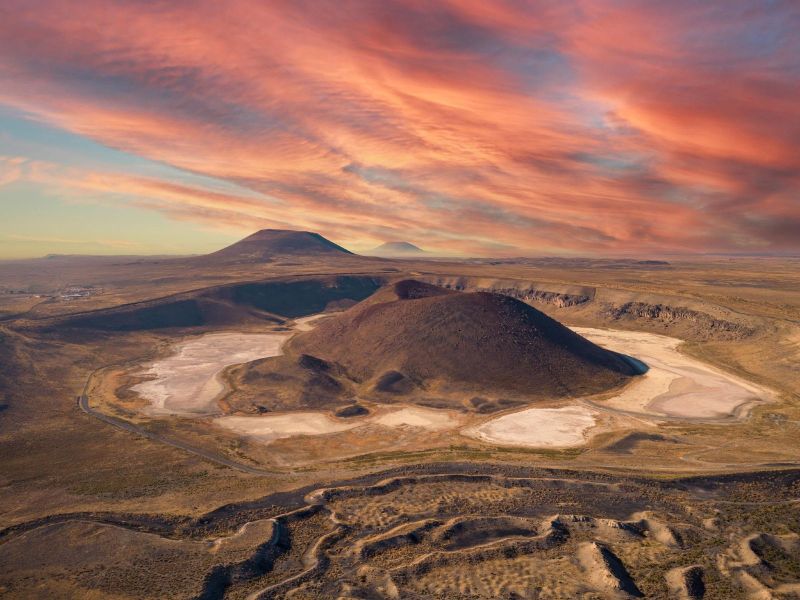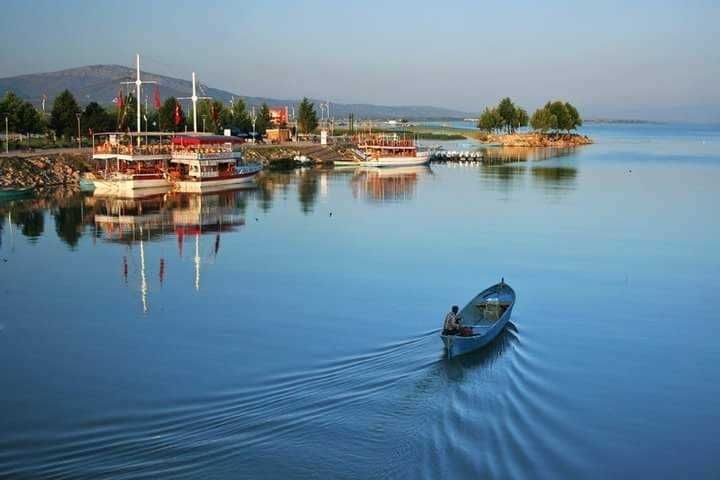
Suğla Lake, located in the Seydişehir district of Konya about 130 kilometers from the city center, is one of Central Anatolia’s rare natural lakes and an important ecological area.
Covering a basin of nearly 16,000 hectares, the lake offers striking scenery throughout the year, reflecting shades of blue and red in winter and blending the deep blue of the sky with lush green vegetation during warmer seasons. Its natural beauty, combined with rich wildlife, attracts both local and foreign visitors.
As a tectonic lake, Suğla Lake has a highly dynamic structure. Its water level rises by around 6 to 7 meters during periods of heavy winter rainfall, while in times of drought it shrinks significantly. During dry seasons, the retreat of the water can reach up to 5 meters from the shoreline, revealing parts of the alluvial lakebed. These exposed areas can temporarily turn into fertile agricultural land, but the withdrawal of water has recently raised serious concerns.
The lake is a vital source of income for the local community. Around 85 families from four nearby neighborhoods earn their living through fishing. Species such as mirror carp, crucian carp, European chub, sand smelt, tinca and freshwater crayfish are commonly found in the lake. In addition, Suğla Lake is home to nearly 20 bird species and serves as an important habitat for migratory and water birds, making it especially popular among birdwatchers during spring and autumn.
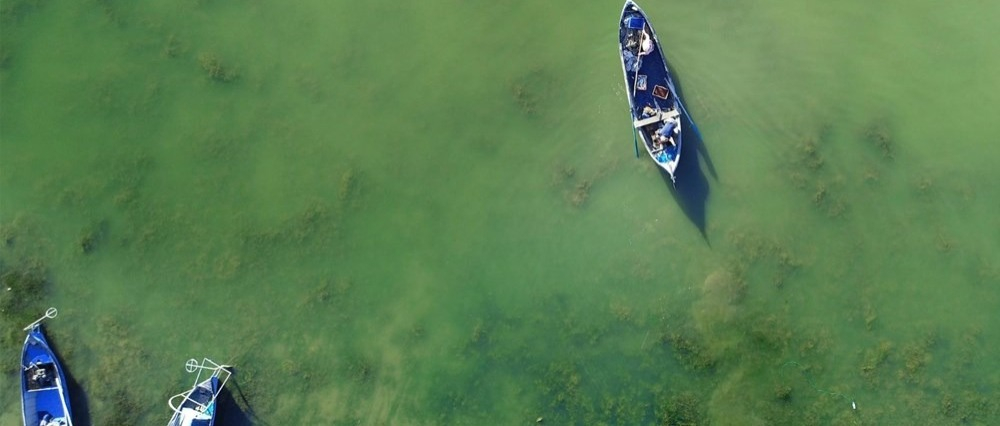
However, seasonal drought and intensive agricultural irrigation in the surrounding area have caused a noticeable decline in water levels, directly affecting fishing activities. Fishermen who used to catch an average of 15 to 20 kilograms of fish per day in previous years now report daily catches of only 3 to 5 kilograms. As the waters recede, round swamp-like wetlands have formed in certain parts of the lake. In these areas, boat engines often become entangled in algae, forcing fishermen to continue their journey by rowing instead of using motors.
Despite these challenges, Suğla Lake remains a striking natural landscape surrounded by agricultural fields and natural meadows, offering suitable areas for walking, photography and nature observation. Due to its ecological sensitivity, protective measures are in place, and visitors are encouraged to respect the environment to help preserve this unique natural treasure for future generations.