Konya Metropolitan Municipality in central Türkiye has opened the Velespit Museum, offering visitors of all ages an engaging journey into the history of the bicycle.
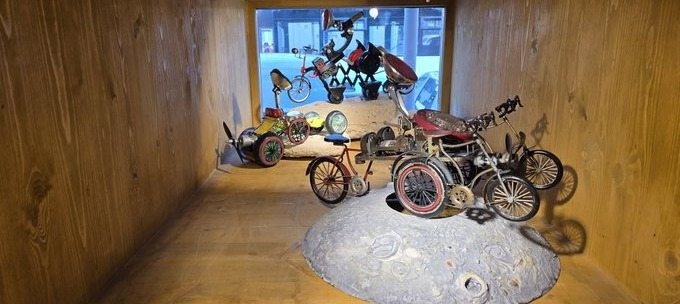
Located at Konya Square Houses in Kılıçarslan Square as part of the Dar-ül Mülk Project, the museum traces the development of bicycles from their earliest examples to modern, high-tech models. The exhibition brings together original bicycle parts, full-scale models, and digital displays, creating an interactive environment that connects the past with everyday life.
Konya Metropolitan Mayor Uğur İbrahim Altay said that Konya has a long-standing historical background and has always been closely linked to science, culture, arts, and sports.
“Bicycle use in Konya is not limited to transportation; it has become a part of daily life and a cultural habit,” Altay said. “Thanks to its geography, the city has been associated with cycling and bike paths for many years. Through the Velespit Museum, we aim to preserve and present the bicycle heritage of both Konya and Türkiye.”
A journey through cycling culture
Altay noted that bicycles have traditionally been known as “Velespit” among local residents, a name that inspired the museum.
“The museum follows the journey of the Velespit from past to present, with a special focus on cycling history in Konya,” he said. “Interactive sections, particularly designed for children, allow visitors to learn while having fun. The museum also helps visitors understand why Konya is known as a bicycle city. Its central location makes it easily accessible, especially for guests from outside the city who wish to experience Konya’s strong cycling culture. During the 15-day school holiday, we invite children to visit the museum and enjoy a warm and welcoming environment during the winter season.”
Konya at the forefront of cycling
Highlighting the city’s leading role, Altay said Konya stands out nationally with its extensive cycling infrastructure.
“With 680 kilometers of bicycle lanes, Konya has the longest cycling network in Türkiye,” he said. “Bicycles here are more than a means of transport; they are part of shared memories and everyday life. The museum allows these memories to be preserved while passing Konya’s cycling culture on to future generations.”
Altay also emphasized that the museum goes beyond a traditional exhibition. He noted that visitors, especially children, can actively explore how bicycles work, how they are built, and how they have evolved over time. He added that bringing such a meaningful cultural space to the city center is a great source of pride.