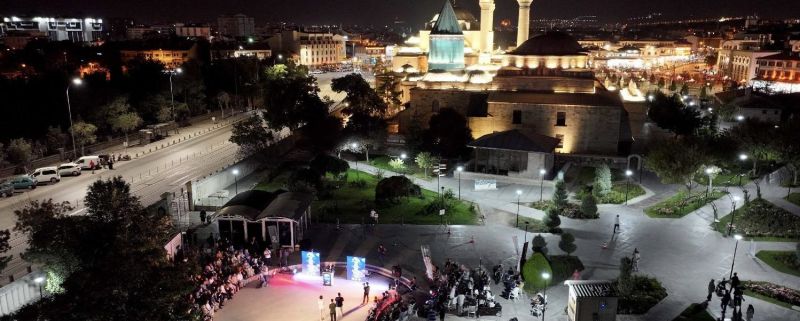
Sille, with its captivating historical atmosphere, takes visitors on a journey through time with its narrow streets and stone architecture that carry the traces of the past into the present.
Sille Museum, which showcases Sille’s cultural heritage, Aya Elenia Museum, which sheds light on the region’s history of faith, and Sille Time Museum, which presents Sille’s story from past to present through an impressive narrative, offer visitors a truly unique cultural experience.
Sille Museum
Located beside the Sille stream, to the west of the historic Ak Bath at the center of the Sille settlement, the building that houses the Sille Museum is a historic school structure. Official records confirm that the building existed in 1923, while oral sources indicate that it was originally constructed in 1903.
The building served as a school until the end of the 20th century. After being vacated, it became the first structure to be restored as part of the restoration works carried out in Sille by Selçuklu Municipality. In 2003, it was opened to the public as the Sille Culture House. Hosting conferences and cultural events, the Sille Culture House served for many years as the cultural and artistic center of the area.
As part of the renovation project of the Sille Museum established in a section of the Ak Bath (Hacı Ali Ağa Bath), the building was redesigned and restored once again. It was reopened in 2017 as the Sille Museum.
The museum displays ethnographic artifacts donated by residents of Sille. Every piece presented in the Sille Museum reflects the cultural heritage of Sille, exhibited with respect for authenticity and with a strong commitment to preserving the spirit and identity of local culture.
Aya Eleni Church
Sille is a settlement located 7 kilometers from the city center of Konya and is administratively connected to the Selçuklu district. According to historical accounts, 327 years after the birth of Jesus Christ, Helena, the mother of Byzantine Emperor Constantine the Great, stopped in Konya while traveling on a pilgrimage to Jerusalem. During her visit, she saw rock carved places of worship dating back to the early Christian period and decided to have a church built for Christians in Sille.
The foundation ceremony of the church, dedicated to Archangel Michael, was held during this period. Over the centuries, the church underwent several restorations and has survived to the present day.
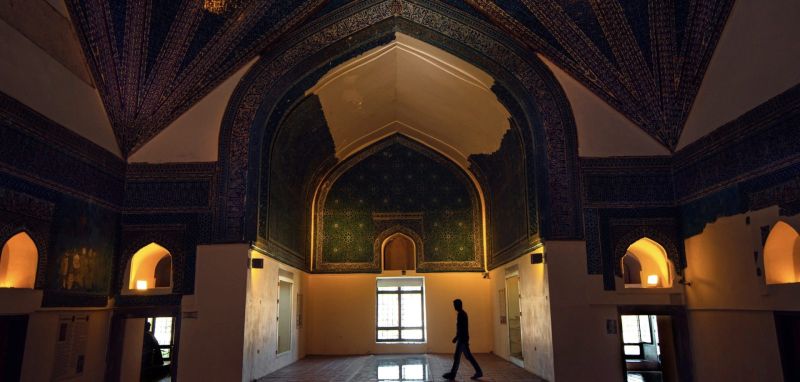
Above the inner entrance of the church, a restoration inscription written in Turkish using Greek letters provides historical information about the building. This inscription is dated 1833. Above it, there is another three line inscription stating that the church underwent its fourth restoration during the reign of Sultan Abdülmecid.
Sille Time Museum
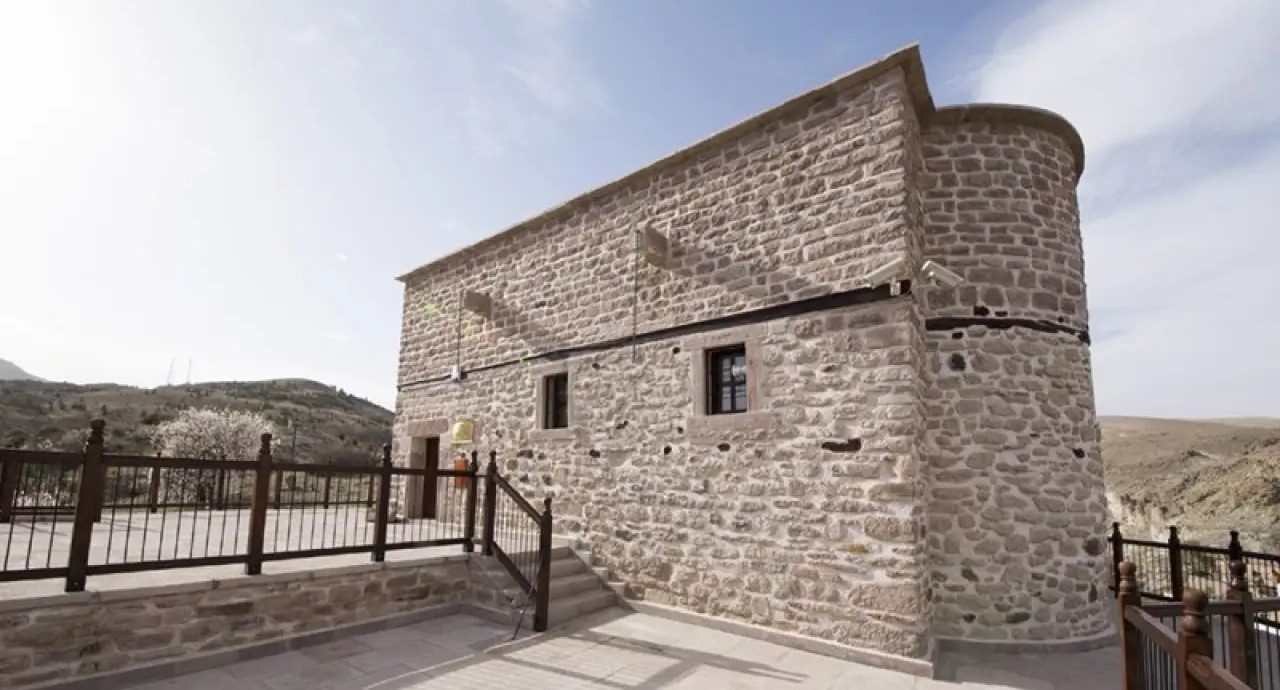
Also known as the Sille Chapel, the Time Museum was restored in 2012 and opened to tourism. As Türkiye’s first museum dedicated to the concept of time, it displays a remarkable collection of rare time-related artifacts from the Ottoman Empire and the Republican Era.
Among the museum’s most notable exhibits are specially designed clocks from the Ottoman and Republican periods, ruznames prepared by Ottoman pashas for public use, pocket and desk calendars, and handwritten printed calendars once used in official institutions. The collection also includes gold and silver chain pocket watches, a ruled calendar belonging to the Turkish Aeronautical Association featuring geographical and economic data by province, an archaeological Roman-era sundial, and a reproduction of an Ottoman-period sundial that still exists on the qibla wall of the Konya Hacı Hasan Mosque.
Together, these valuable pieces present the perception and measurement of time across different civilizations, offering visitors a distinctive cultural experience rooted in history.