A centuries-old woodworking tradition continues to gain international recognition as a master craftsman from Konya carries the art of kündekari beyond Türkiye’s borders.
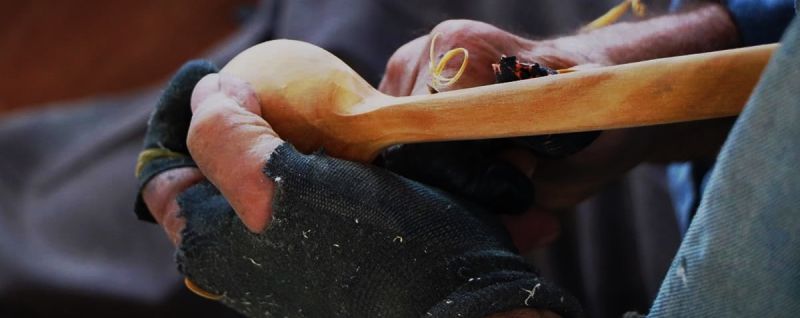
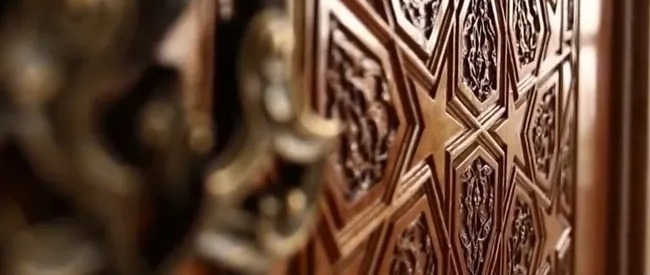
İbrahim Yıldız, a 48-year-old third-generation representative of his family trade in Konya, produces wooden works using the traditional kündekari technique, which is based on assembling hundreds of small geometric wooden pieces without glue or nails. Each piece, often described as the “spoken form” of wood, is created through months of meticulous and patient craftsmanship.
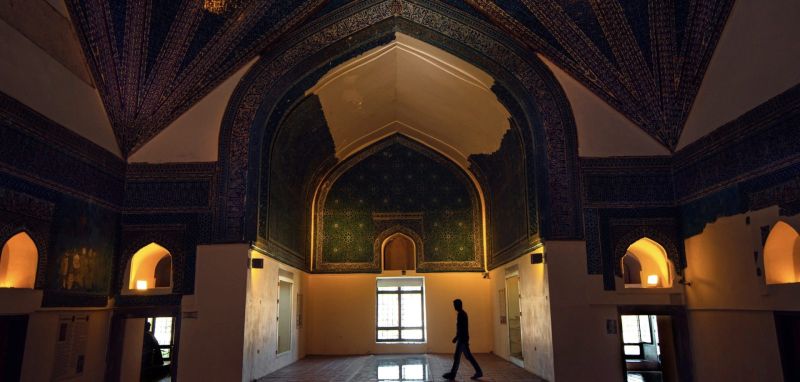
Rooted in Seljuk art, kündekari has long played a significant role in Turkish-Islamic architecture. Having been involved in the craft since childhood, Yıldız produces items such as doors, pulpits, podiums, and mihrab sets, all made with this traditional technique. His works now decorate mosques in dozens of countries across three continents.
Yıldız states that he is actively involved in mosque projects both in Konya and abroad, working in cooperation with local wood artisans. He explains that they receive strong demand from both domestic and international markets, particularly from Europe. Among the countries he has produced works for are Norway, France, and Germany. He notes that they are currently working on a door, pulpit, and mihrab set for the Netherlands, and have previously completed projects for the United States and the United Arab Emirates. According to Yıldız, the wooden elements are delivered in parts and assembled on site in the destination country.
Emphasizing the revival of the craft, Yıldız points out that the nearly forgotten art of kündekari was brought back to life in the 1980s by the late Konya-based wood craftsman Mevlüt Çiller. He explains that around 30 years ago, only three people practiced this art, whereas today there are approximately 30 practitioners. Yıldız believes the craft will not disappear, noting that the techniques have been documented and stored digitally. He adds that interest in kündekari has steadily increased over the past 20 years, with demand rising as people move away from plain and simple wooden designs.
**Kündekari is a traditional woodworking art in which hundreds of small wooden pieces cut into geometric shapes are fitted together without the use of glue or nails to create durable and highly decorative architectural elements.