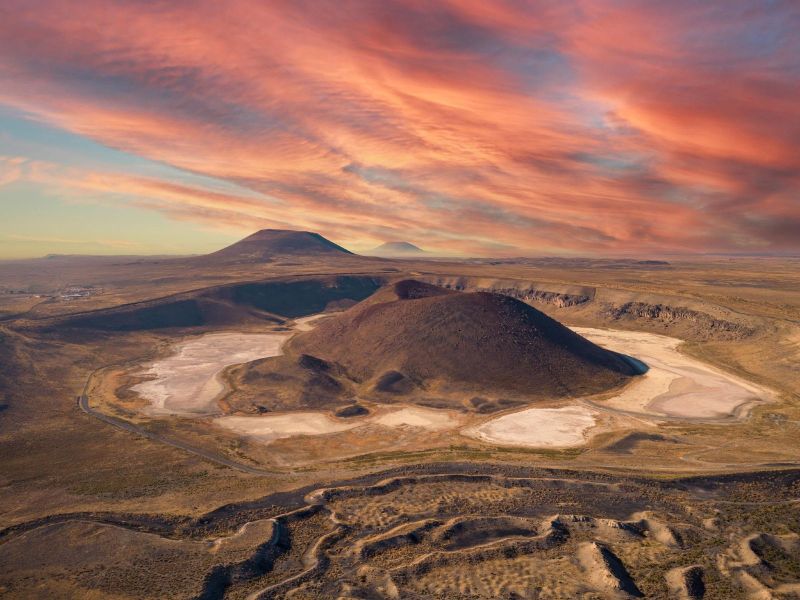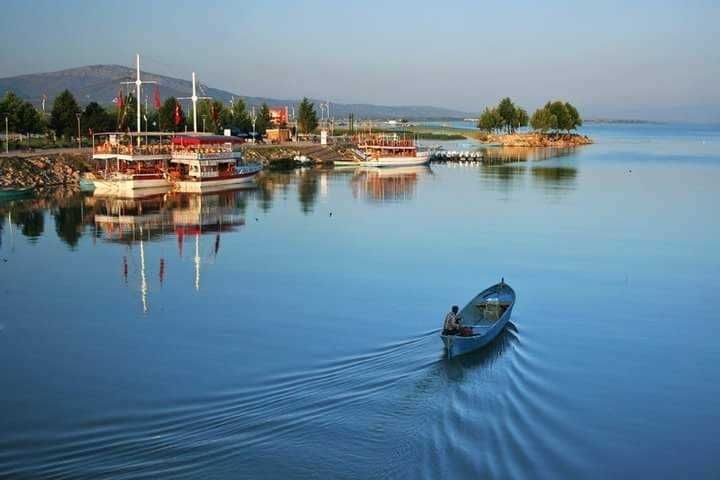
Lake Tuz is one of Turkey’s most extraordinary natural landmarks. Located in Central Anatolia, it stretches across the provinces of Ankara, Konya, and Aksaray. Covering around 1,600 to 1,665 square kilometers, it is the country’s second-largest lake and among the largest hypersaline lakes in the world. Despite its size, the lake is extremely shallow—averaging just half a meter in depth.
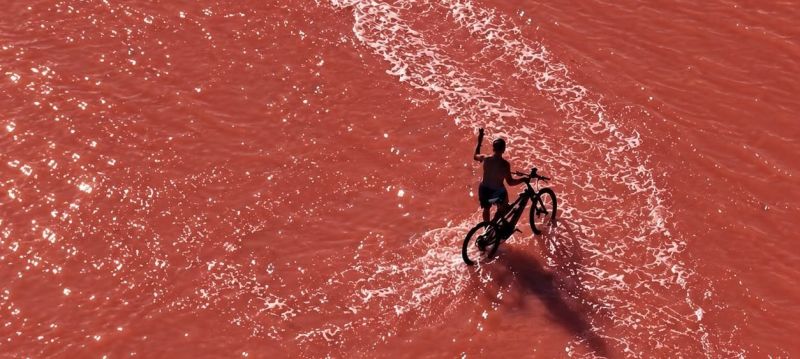
During the hot summer months, most of the lake evaporates, revealing vast, snow-white salt flats. A thick salt crust, sometimes reaching up to 30 centimeters, covers the ground. This salt is harvested and provides nearly 60 to 70 percent of Turkey’s total salt production. Under the right conditions, the lake can take on a striking pink color. This occurs due to the presence of Dunaliella salina, a type of algae that thrives in salty environments and releases a red pigment called beta-carotene.
Lake Tuz is not just a salt source but also a vital ecological habitat. It is one of the most important breeding areas for greater flamingos in the region. Thousands of flamingos gather here during the spring and summer months, along with other bird species like avocets, sandpipers, and gulls. The lake’s unique saline environment also supports specialized plants and microorganisms found nowhere else.
The area is protected as a Special Environmental Protection Zone and is on UNESCO’s tentative list for World Heritage status. However, Lake Tuz faces environmental challenges. In recent years, periods of drought and the diversion of water for agriculture have led to the lake drying up completely in some years, most notably in 2008, 2016, and 2021. This has severely affected the bird populations and raised concerns about the long-term future of the lake.
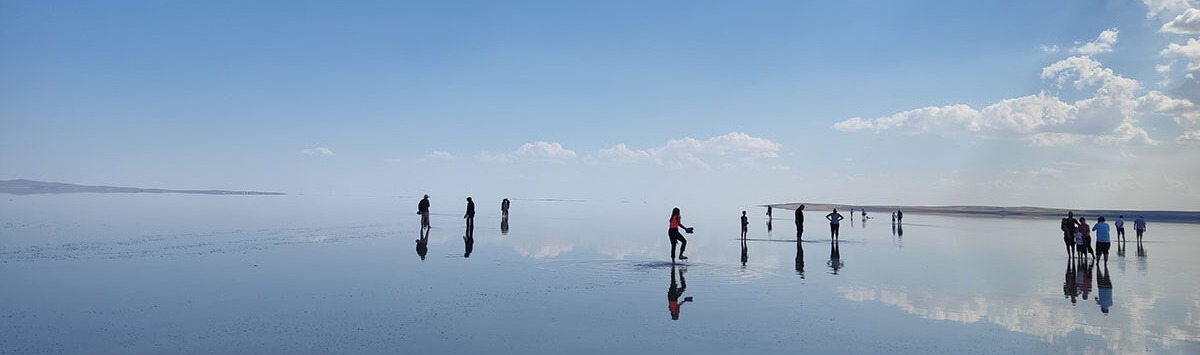
Despite these challenges, Lake Tuz remains a popular destination for nature lovers and photographers. Visitors are drawn to its surreal landscapes, where the horizon seems to blur with the ground in a mirror-like effect. Walking barefoot across the salt flats, floating in the highly saline water, and enjoying the natural mud’s skin-soothing properties are some of the unique experiences the lake offers. The best time to visit is in summer for the salt formations or during spring and autumn for birdwatching.
Lake Tuz is about a two-hour drive from Ankara and also easily accessible from Konya and Aksaray, making it an ideal day trip for those seeking a blend of natural beauty, wildlife, and geological wonder.