Taşkent is situated at the southernmost edge of Konya, nestled within the Taşeli region of the Central Taurus Mountains, in the Göksu Basin, on rugged and mountainous terrain.
Archaeological excavations and surveys reveal that Taşkent has ancient roots, with evidence dating back to the Hittite and Roman periods. Over the centuries, it was governed by the Seljuks, Karamanids, and Ottomans, leaving behind a rich tapestry of historical and cultural heritage. Key historical landmarks include the Ballar and Emirler fountains, the Boğaz, Çibi, and İmirzala bridges, and the Uzun Şeyh Mosque.
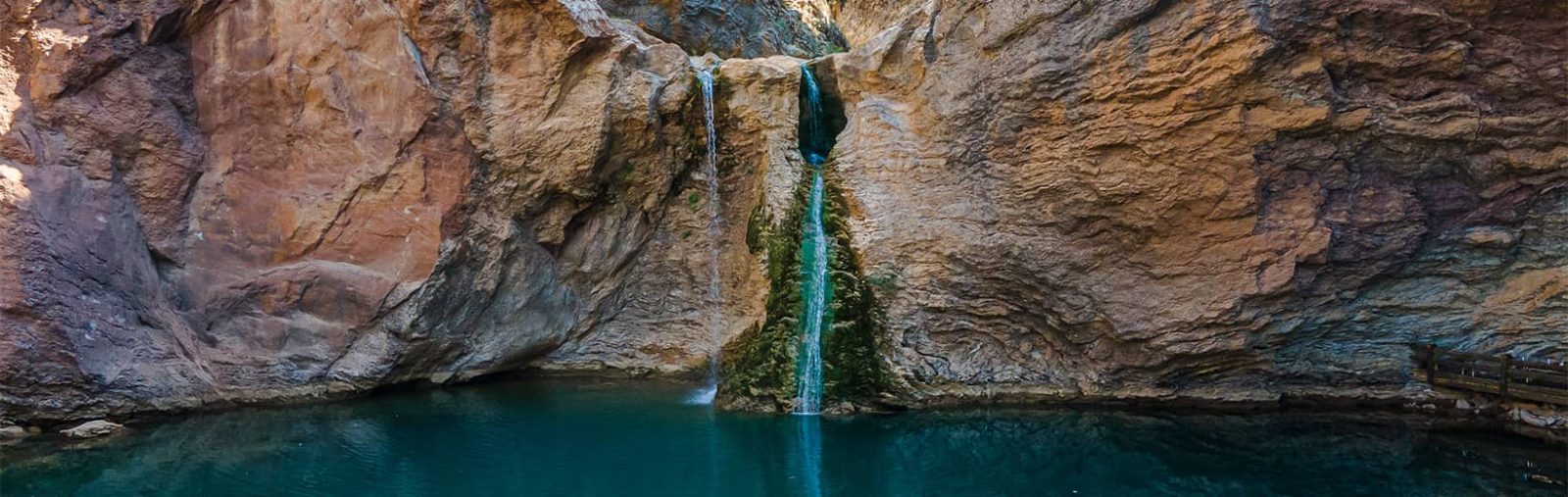
The district is also renowned for its natural beauty, offering picturesque valleys and plateaus ideal for camping. Highlights include Borbaşı, with its pine forests, eagle-nest cliffs, and refreshing springs, as well as the Barçın and Feslikan Highlands, which serve as summer retreats. Other must-visit sites include Erenler Forest, Qibla Rock, Mihrap Park, Tatar Teknesi, Boğaz Stream Green Valley, and the stunning Çetmi Ayboğazı Waterfall.
Traditional crafts thrive in Taşkent, with beekeeping, carpet weaving, shoemaking, blacksmithing, and knife smithing among the prominent local trades. The renowned Taşkent knives, celebrated for their craftsmanship, are exported to numerous countries.
Festivals play a key role in preserving and promoting Taşkent's rich cultural heritage. The district, known for producing many scholars and sages, hosts events to foster community unity and keep traditions alive. Recently, the Taşkent Culture, Art, and Honey Festival has been succeeded by the Tourism and Cherry Festival, aimed at enhancing fruit production and showcasing local flavors.
Culinary traditions in Taşkent are equally notable. Dried meat is a common ingredient in many local dishes. Popular specialties include Gocak (large) broad beans, zucchini with meat, zucchini with milk, Köftü, and Heyre, a delightful mixture of roasted flour, butter, and molasses.