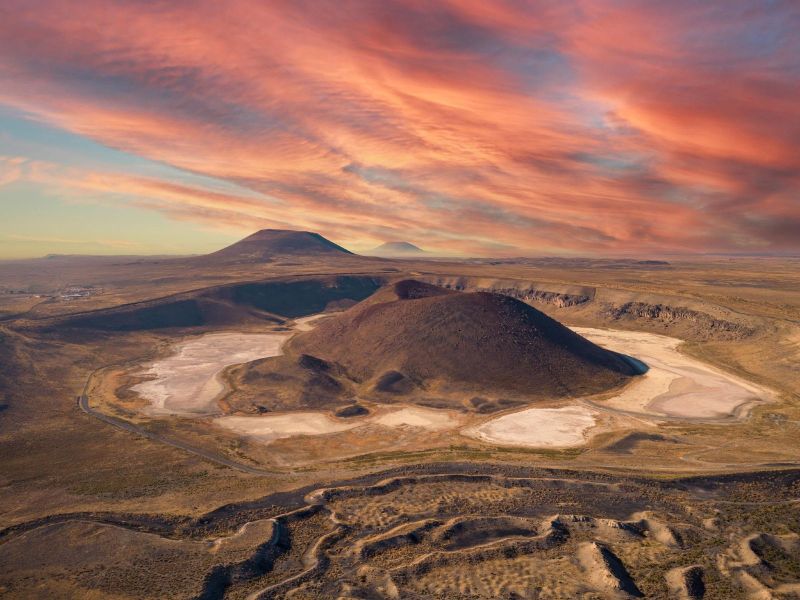
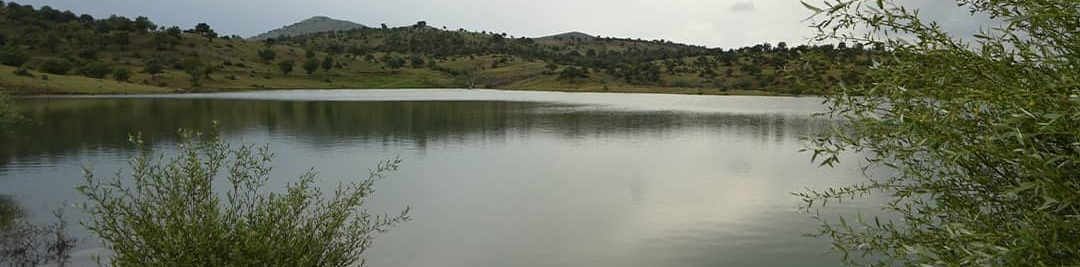
Güneysınır District is situated at the transition between the Konya Plain and the Mediterranean Region, 71 kilometers south of Konya city center, at the southern edge of the Taurus Mountains that separate Central Anatolia from the Mediterranean.
The district is characterized by flat terrain in the north, while its southern and western parts are mountainous. Güneysınır is a unique Turkmen settlement, densely populated by Oghuz Turks, especially the Avşar, Kınık, and Kayı tribes.
The Güneysınır district center was formed by the merging of the settlements of Karasinir, Güneybağ, and Emirhan. The name "Güneysınır" was chosen by combining the words "Güney" (Southern) and "Sınır" (Border), reflecting its location. The district center emerged when the administrative buildings were constructed in an area equidistant from the Karasinir and Güneybağ neighborhoods.
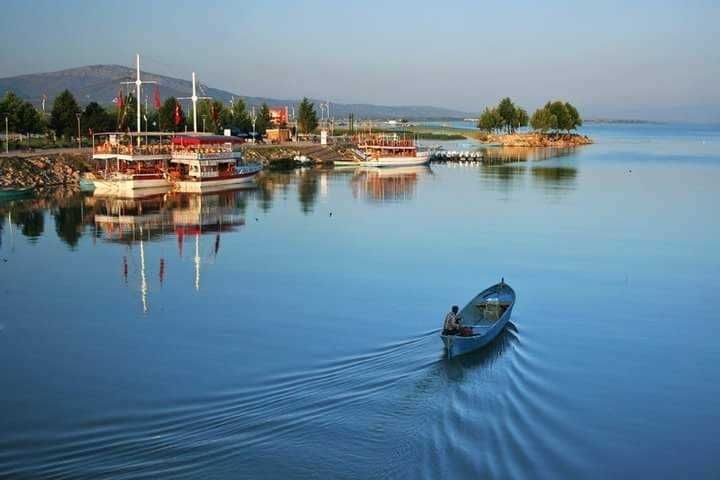
Güneysınır is a hidden gem, offering a wealth of attractions including its geographical location, historical significance, rich cultural heritage, waterfalls, highlands, caves, and natural beauty. Situated at the foot of the Taurus Mountains, the district boasts forests and highlands in the upper regions, while its lower parts feature expansive plains. The clean air, water, natural landscapes, and forests of the highlands make it a popular destination.
The district is known for its natural products, including meat, milk, yogurt, cheese, eggs, and honey from livestock raised in thyme-scented environments. The local vineyards produce highly natural products, such as grapes and molasses made through traditional methods, which are considered a cure for many ailments. Additionally, vegetables and fruits like tomatoes, peppers, cucumbers, strawberries, peaches, cherries, apples, and pears are grown organically. Güneysınır's melons and watermelons, with seeds, are renowned for their honey-like sweetness.
The district is also famous for its traditional foods, including yogurt and okra soup, milk soup, döğme, kömbe, katmer, su böreği, palize, stuffed leaves, foam halvah, and gavut.