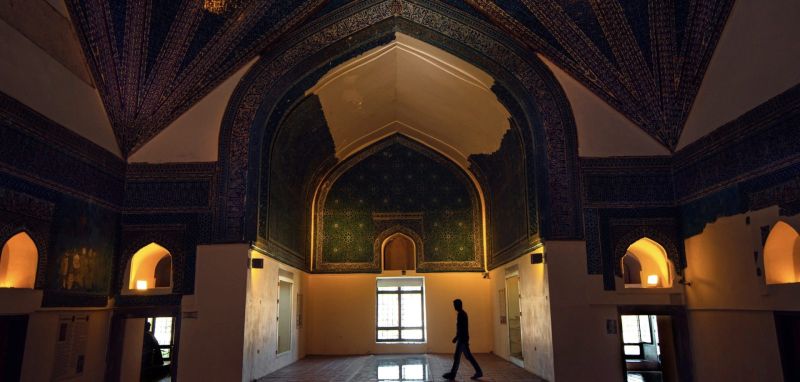
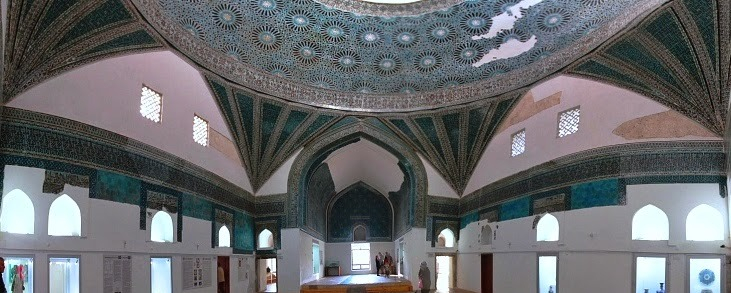
The Karatay Madrasa Konya Tile Works Museum is a fascinating place that combines history and art. Originally built as a madrasa in 1251 during the Seljuk period, it now houses a remarkable collection of historic tiles, particularly from the Seljuk era.
The museum is renowned for its exquisite tile decorations, showcasing the intricate artistry and craftsmanship of the Seljuk period. The madrasa itself is a beautiful example of Seljuk architecture, with its elegant courtyard and ornate details. As a former madrasa, the building carries rich historical importance, offering a glimpse into the educational and religious life of the time.
The Karatay Madrasa, which has served as the Konya Tile Works Museum since 1955, was constructed by Emir Celâleddin Karatay in 1251 during the reign of Seljuk Sultan II. Izzeddin Keykâvus.
The interior of the madrasa is adorned with intricate mosaic and plate tiles, with its architecture attributed to Muhammed bin Havlan. Built using Sille stone, the madrasa exemplifies the "Closed Courtyard" style, which was prevalent during the Seljuk era for the teaching of Islamic law and theology.
The structure's walls are made of stone, while its domes and vaults are constructed from brick. Conveniently located in the city center, the Karatay Madrasa stands as a testament to the architectural and cultural heritage of its time.