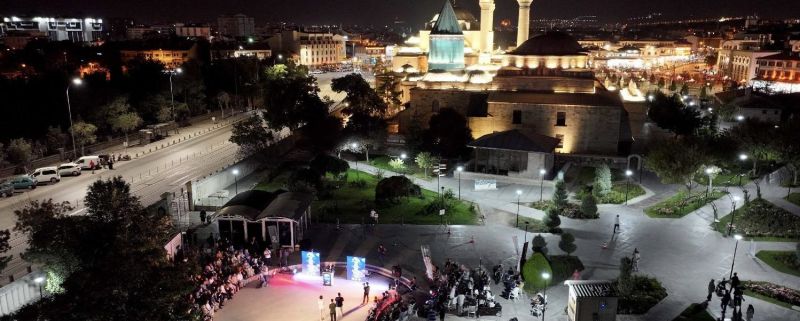
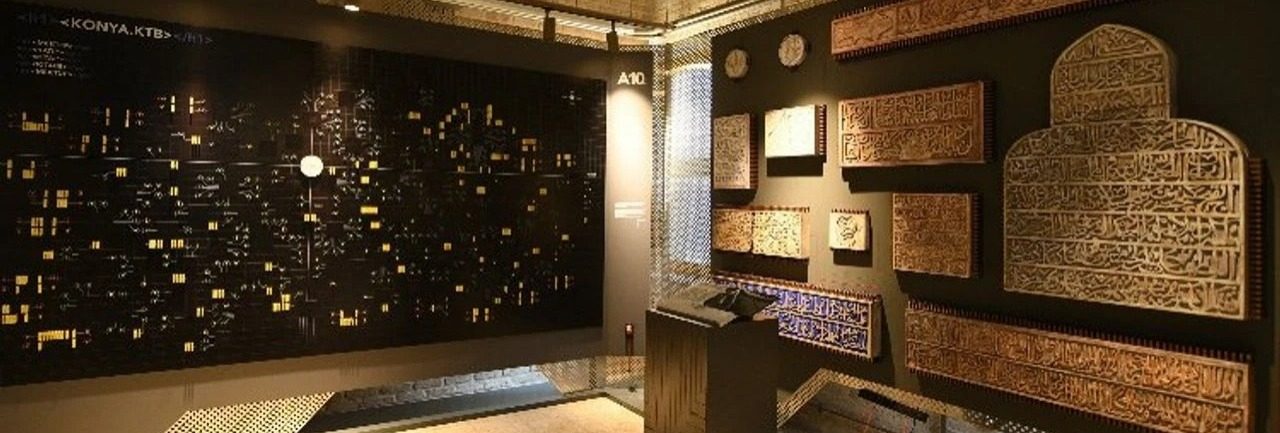
Within the scope of the “Darülmülk Revival Project” by Konya Metropolitan Municipality, the Tekel office from the 1930s was converted into an art gallery under the name “Depo No 4” and opened its doors to art lovers with the “City that Establishes Civilization” exhibition.
Yasin Tütüncü, who is the curator of the exhibition, stated that “We saw it as an opportunity for the place to be named Depo. We integrated the content accumulated and stored by our civilization, as well as the memory accumulated by the city, within a conceptual framework and based the exhibition on this.”
Pointing out that they emphasized the qualities of the Islamic civilization in the installations they prepared within the exhibition, Tütüncü said: “Islam is a civilization that actually encompasses existence in terms of its special characteristics. In this respect, there is a layout and sequence in the exhibition that refers to this encompassment. In fact, we can say that we placed it layer by layer. When you follow this sequence, it is possible to talk about an exhibition theme that takes you into the depths of existence. At the same time, it is an exhibition that addresses the characteristics of the thousand-year-old Seljuk civilization in Konya and the potential power that will dominate the future.”
“An integrated civilization journey”
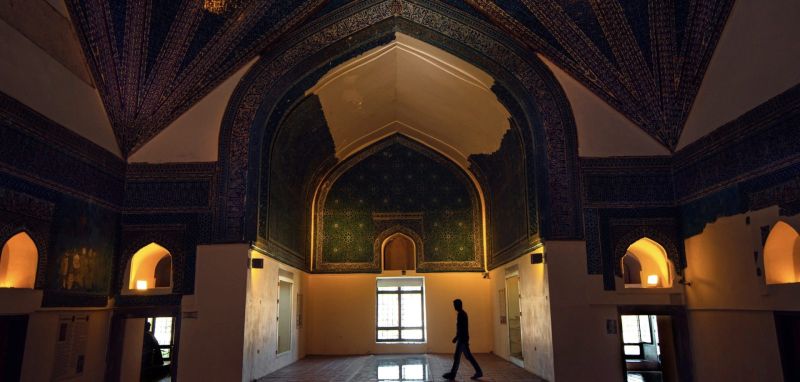
Yasin Tütüncü stated that “İnce Minareli Madrasa in Konya constituted the concept of the exhibition and that there were 16 sections in the exhibition. On the one hand, we can say that it is an exhibition where civilization is seen together. Because starting with Matrakçı Nasuh, who painted Konya, everyone who gave us the coordinates of the location of the architectural works in Konya and who we call ‘founders’ and who contributed to Konya are here. We can also call the exhibition an integrated civilization journey, including more than 60 madrasahs and scholars in the madrasahs, which refer to the identity of this place, and the works they taught. Basically, the exhibition reveals the aim and intention of this founding tradition in Konya is to make the memory of the city visible again and understand what it means for the future.”