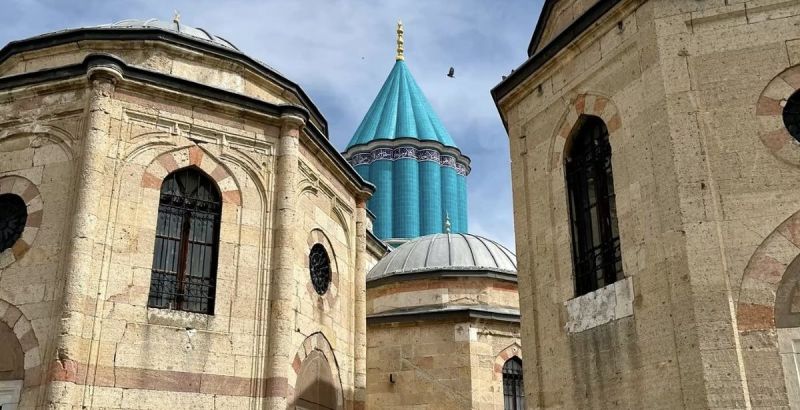
Mevlana Museum to Welcome Visitors During Eid al-Adha Holiday
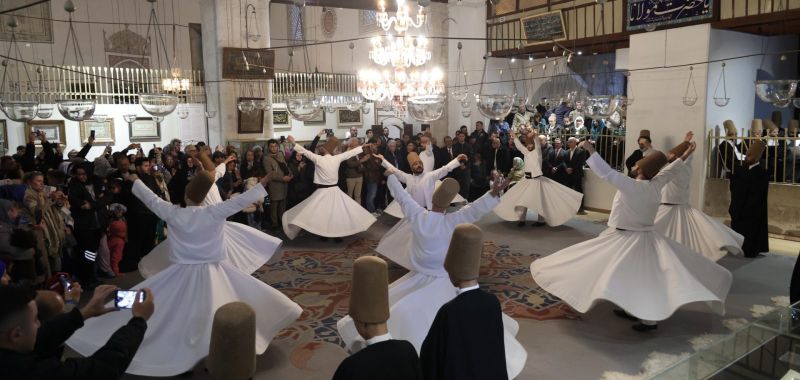
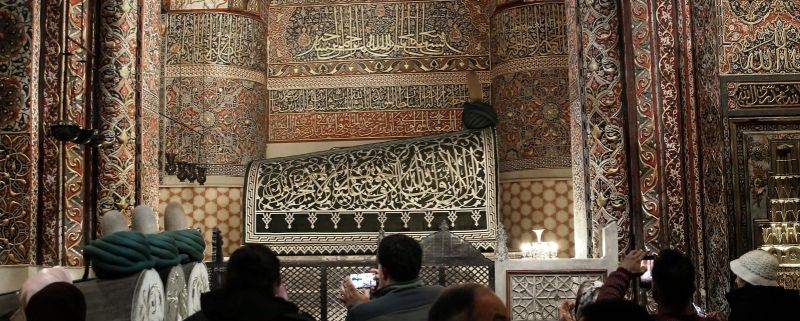
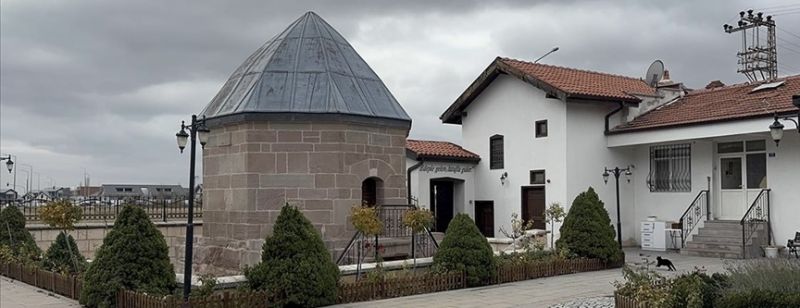
The Mevlana Museum is preparing to welcome visitors throughout the Eid al-Adha holiday, one of the most significant religious holidays in the Islamic world.
The Mevlana Museum is preparing to welcome visitors throughout the Eid al-Adha holiday, one of the most significant religious holidays in the Islamic world.
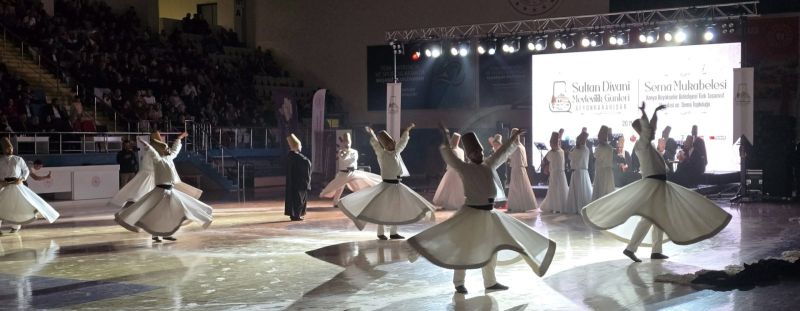
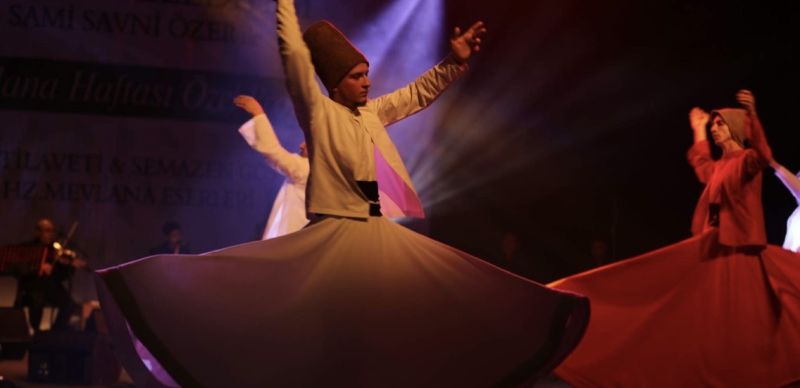
The Konya Metropolitan Municipality Turkish Sufi Music and Sema Ensemble held a meaningful program in Afyonkarahisar.
The 798th anniversary of Rumi and his family’s arrival in Konya is being commemorated with meaningful events.
Rumi was born on September 30, 1207, in the city of Belh in Khorasan, where Turkish tribes lived (Balkh is within the borders of Afghanistan today).
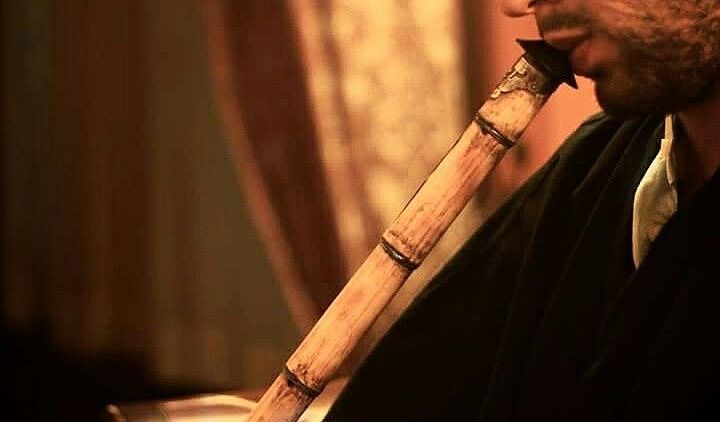
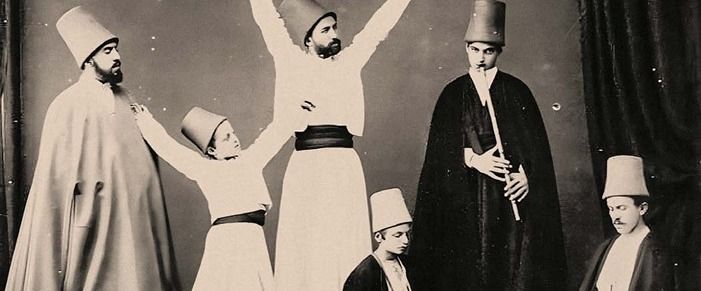
In Mevlevi tradition, music is the key to understanding eternity and the sign of having a ‘soul’. When the semah begins, the first movement is not the whirling dervishes coming out and returning, but the meeting of the ney player’s lips with the ney.
The description of Mevlana during his final days is as follows: He had crescent- shaped open eyebrows, and his large hazel eyes, with a colour between yellow and black, were so sharp and captivating that no one could withstand his gaze.
Meram has a very special place in the life and memories of Mevlana Celaleddin Rumi, the friend of God and the sultan of hearts.
In the opening of the Masnavi, Rumi invites us to “Listen to the reed.” Through the commentaries of Abidin Pasha, Hacı İlyaszâde Ömer, and Bediüzzaman Firûzanfer, we find that the ney (reed flute) is not merely an instrument, but a profound metaphor for the…
When Rumi is mentioned, almost everyone immediately thinks of tolerance and human love. The love of Rumi is universal; it embraces all humanity without distinction of race, religion, or language. Rumi is the smiling face of Islam.
It was founded by his son Sultan Veled, his student Çelebi Hüsameddin and his grandson Ulu Arif Çelebi in order to pass on the teachings of Mevlana to future generations, and later it was administered by Makam Çelebi, who was chosen from among the Çelebis…
It is a sect that was attached to the name of Mevlana, but whose founder was not Mevlana, but his son Sultan Veled. It means a way or a route. Now, although this word has been vilified, the sects of the ancients were the houses of knowledge and wisdom.
The advice of Rumi, whom the whole world speaks of with respect, has been passed down from generation to generation for centuries and continues to this day.