Apricot Compote A Sweet Break from Konya
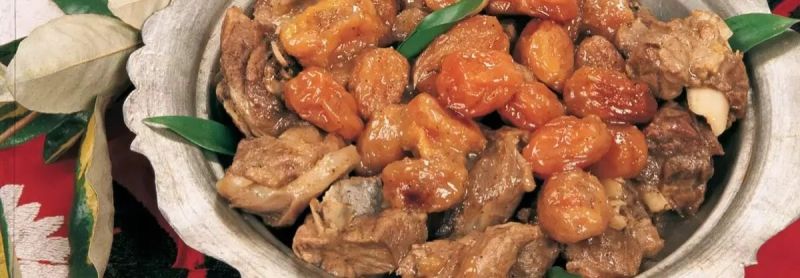
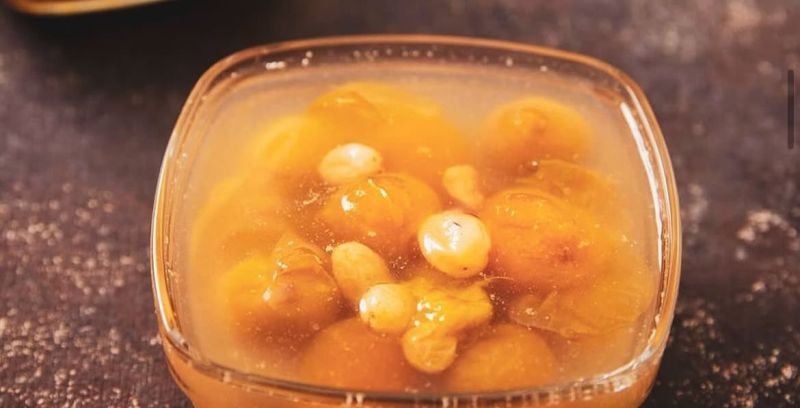
Apricot compote, a refreshing treat during Konya’s hot summers and a traditional dessert on local tables, stands out with both its flavor and health benefits.
Apricot compote, a refreshing treat during Konya’s hot summers and a traditional dessert on local tables, stands out with both its flavor and health benefits.
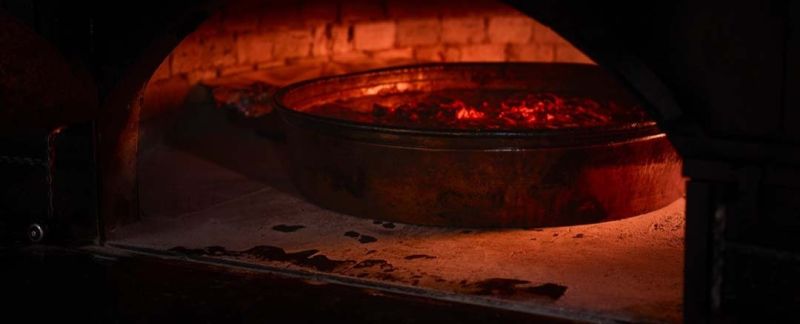
Fırın Kebab is one of the signature dishes from Konya, a city in central Turkey renowned for its rich culinary heritage. The name literally means “oven kebab,” and it refers to a slow-cooked lamb dish that’s both deeply flavorful and tender.
Konya’s culinary tradition, deeply rooted in its rich historical heritage, stands out as a significant representation of Turkish gastronomy.
Turkish Cuisine Week was celebrated with great enthusiasm in Konya, hosted by the Meram Municipality City and Life Culture Museum.
Let’s get to know Nevin Halıcı, the doyenne of Turkish culinary culture, whose kindness, knowledge and culture I admire.
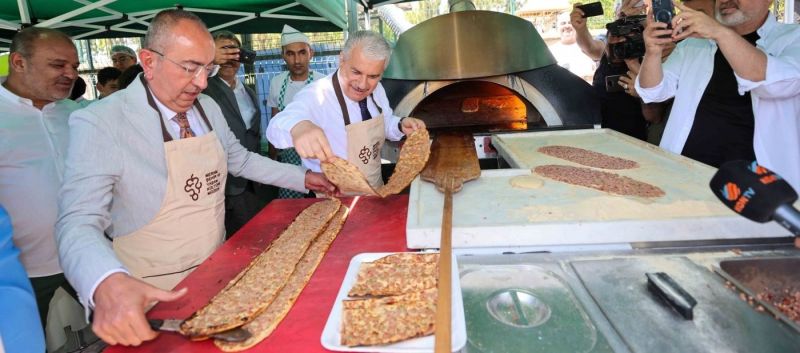
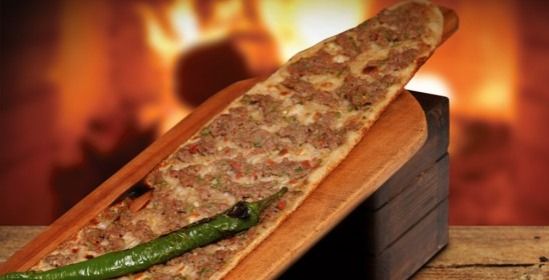
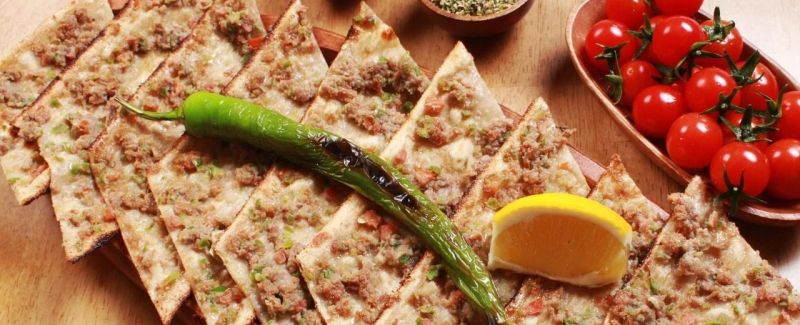
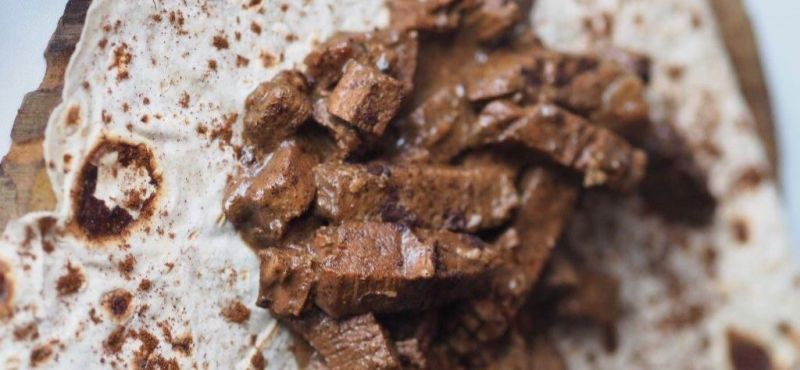
Etli Ekmek is one of Konya's most famous dishes and a true representation of the city's rich culinary heritage. This dish features thin dough topped with a mixture of ground meat, onions, and spices, then baked in a stone oven.
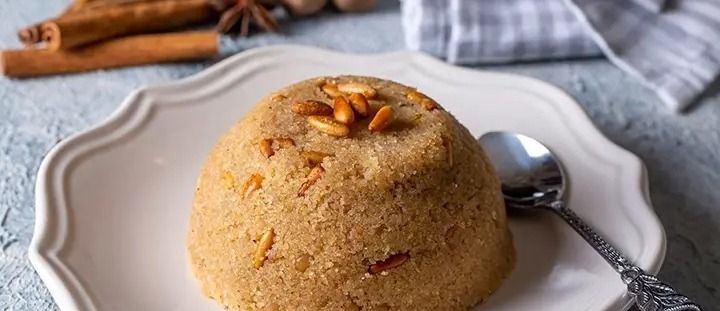
Konya-style semolina dessert is a traditional Turkish dessert that is made with semolina, milk, sugar and butter. It is often flavored with vanilla, cinnamon, or citrus zest.
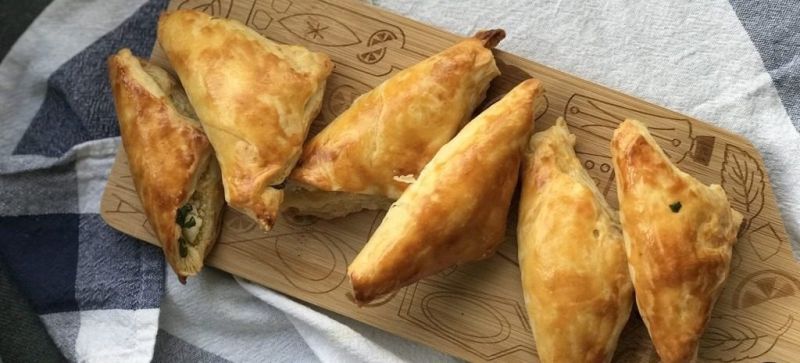
Mevlana pastry, which is one of the main flavors of breakfast and afternoon snacks, is made by mixing parsley, white cheese, and black pepper, then placing it inside the filo dough.
Konya, a city with a deep historical and cultural heritage, is known not only for its architectural marvels and connection to the Seljuk Empire but also for its distinctive and flavorful cuisine.
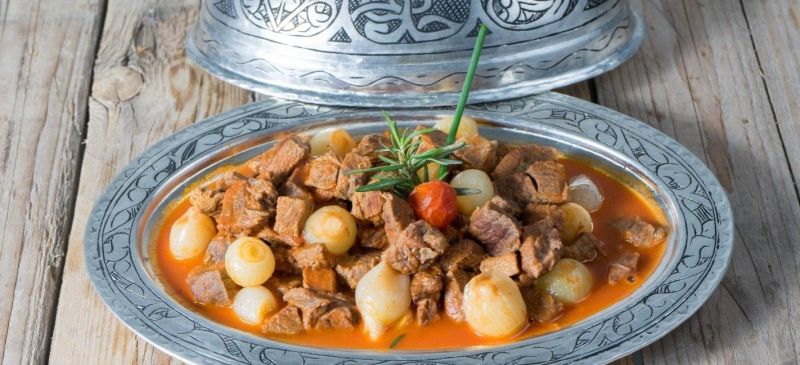
Zülbiye is a dish made with a generous amount of shallots, chickpeas, and tender lamb meat, all flavored with vinegar. It has been a beloved dish in Konya for many years.
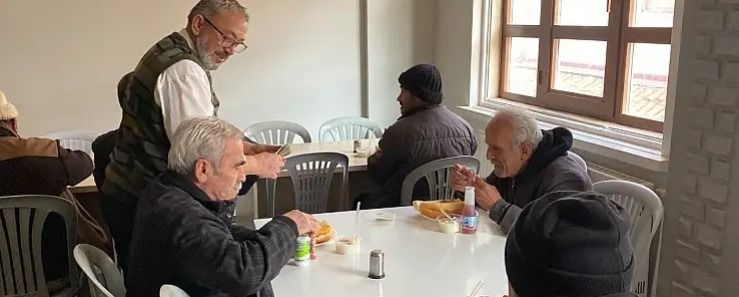
The 'Rose Kitchen', established for the insane, known as the "Roses of Konya", in Konya's historical Bedesten Bazaar, continues to serve those in need with hot meals cooked by volunteer chefs every day.
In Mevlevi Lodges, meals were eaten on the floor. During mealtimes, short round wooden tables are set on three-legged chairs in the kitchen (this is called "Somat"), with hides around them.