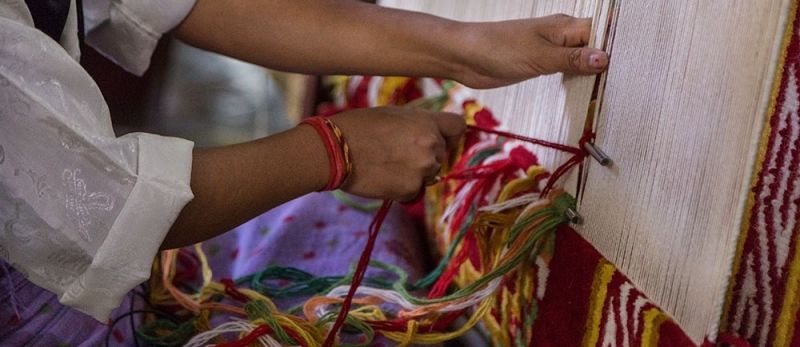
A Closer Look at the Rug Weaving Traditions of Konya, Turkey
Rugs have been a significant part of the textile industry for centuries, and they continue to be an essential element in home decor.
Rugs have been a significant part of the textile industry for centuries, and they continue to be an essential element in home decor.
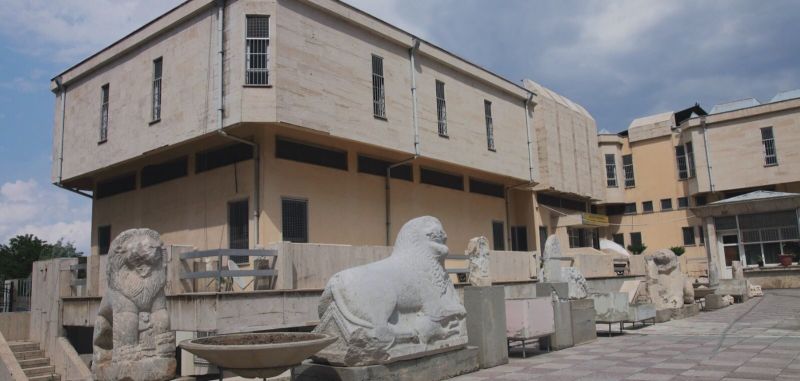
AR Izzet KOYUNOĞLU, one of the well-established families of Konya, has established a special museum and library for the historical artifacts he has collected for years in his house in Topraklık neighborhood.
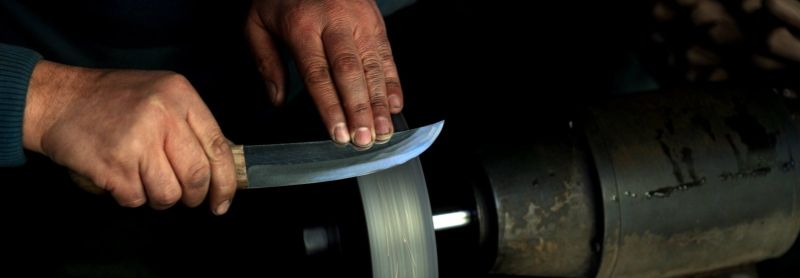
A knifesmith in Turkey's central province of Konya is preserving the traditional way of making knives.
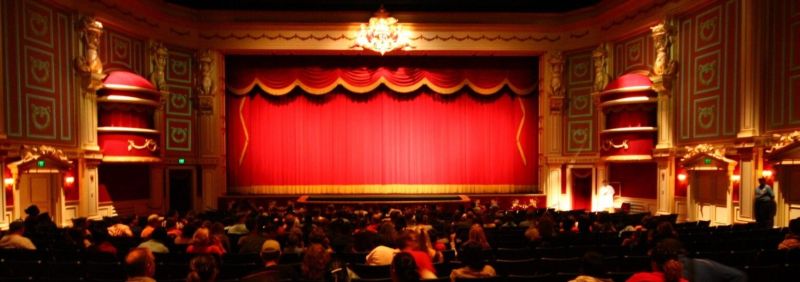
Theater enthusiasts in Konya are in for a magnificent theatrical experience this month at Selçuklu Convention Center. From serial murder cases to a madman's diary, the stage will showcase a variety of plays covering diverse topics, including the struggle to…
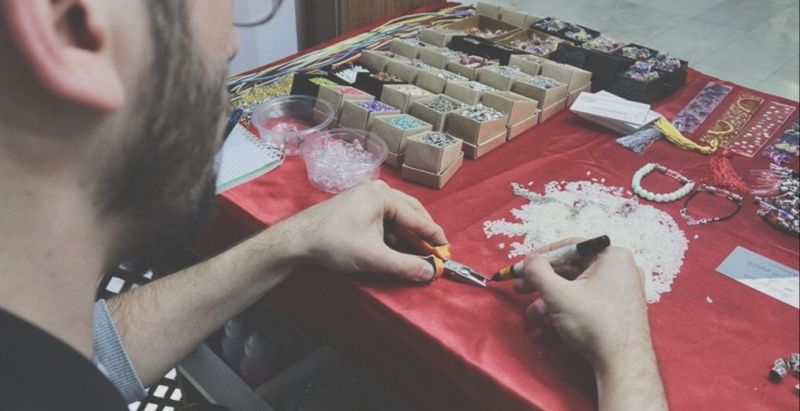
Ahmet Osmanlı, a 34-year-old man living in Konya, writes in Turkish, Arabic, English, and Korean on rice grains in his art, which he started 2.5 years ago after being inspired by a news story.
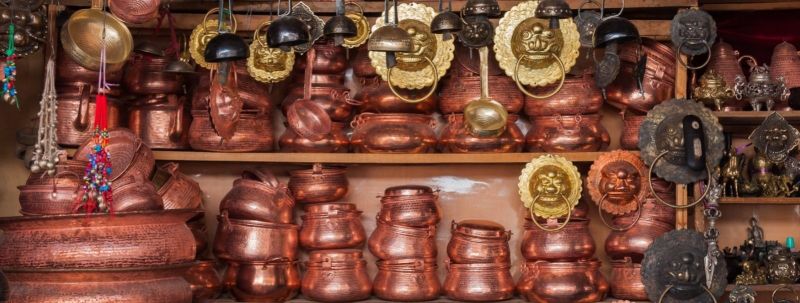
Copper is the primary raw material in coppersmithing. It is a type of handicraft that includes production of items such as jugs, ewers, cauldrons, bowls, pans, and other kitchen and domestic goods.
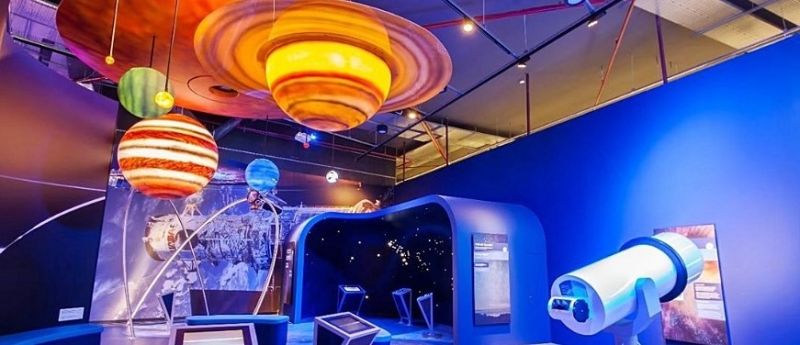
In cooperation with Konya Metropolitan Municipality, Konya Chamber of Commerce Karatay University and Konya Science Center, a Digital Art Exhibition themed "Digital Discovery: Digital Age, Digital World, Change and Preparing for the Future" will be held.
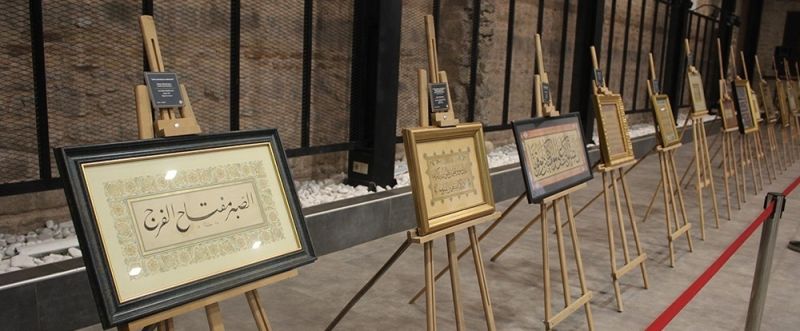
The "Talking Writings" exhibition, which brings together the best examples of traditional Islamic art, welcomes its visitors at the Tantavi Culture and Art Center.
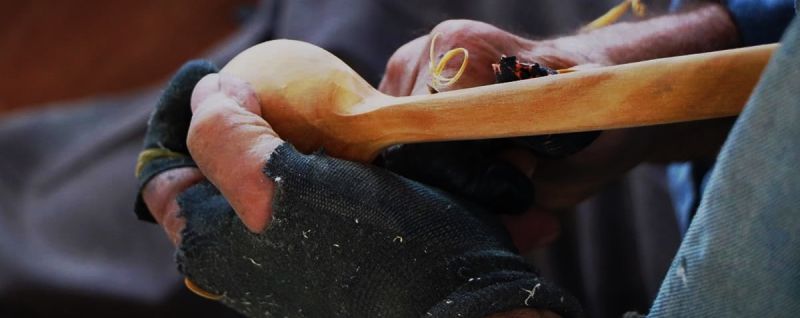
In Anatolia, the first spoon was found in Çatalhöyük and Hacılar. (7-6 thousand years BC). Spoons are named according to the material from which they are made in Anatolia. First the groins made of earth, then they began to be made of wood and mine.
The Independence War Martyrdom Museum, which is placed right adjacent to the martyrdom and is positioned between the Mevlana Museum and the Mevlana Cultural Center, narrates chronicles the War of Independence and the war years using models and figures.
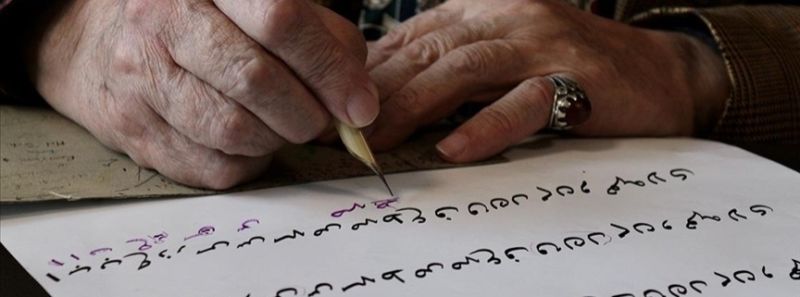
Hüseyin Öksüz, who crossed paths with a world-famous calligrapher while studying pharmacy, raised dozens of students and signed many successful works with his art, which he continued with the excitement of the first day for years.
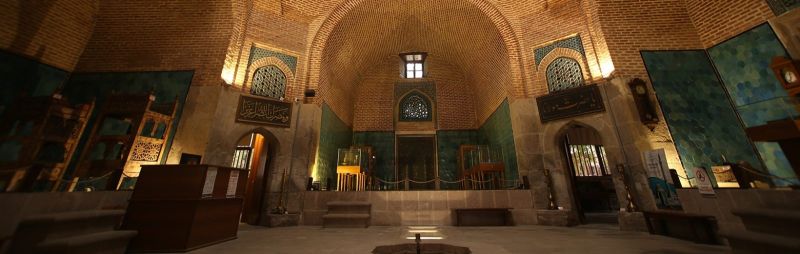
The architect of the complex, which was built in 1277 by Sahib Ata Fahreddin Ali, one of the viziers of the Anatolian Seljuk State, is Keluk B. Abdullah.