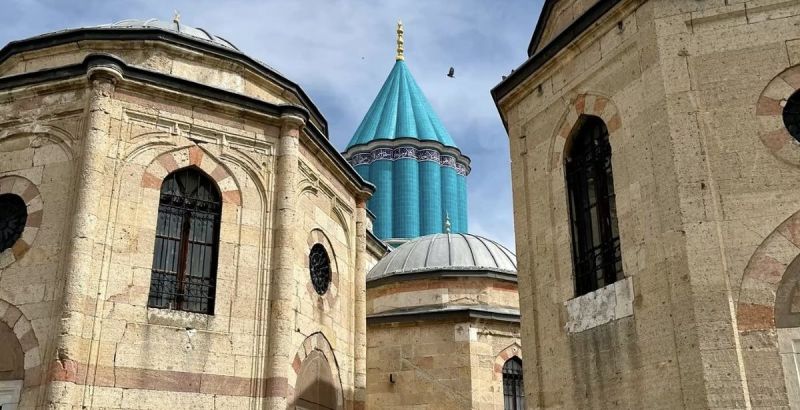
The Mevlana Museum in Konya is preserving some of the world’s oldest surviving manuscript copies of the works of the Sufi philosopher Mevlana Jalaluddin Rumi through advanced conservation methods designed to protect them for future generations.
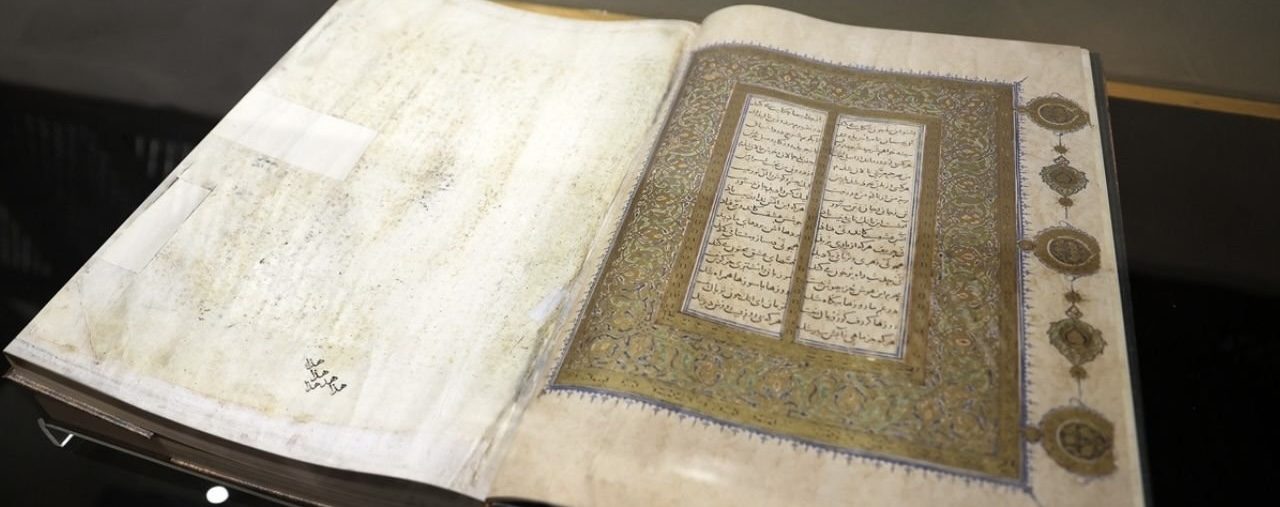
The museum houses early manuscript copies of Rumi’s major works, including the Mesnevi, Divan-ı Şems, Fihi Ma Fih, Mecalis-i Seb’a and Mektubat. Recognized under UNESCO’s Memory of the World Programme, these manuscripts are considered an important part of the world’s documentary heritage.
To ensure their long-term preservation, the museum maintains carefully controlled storage conditions. Temperature and humidity are continuously monitored, while climate control systems help provide a stable environment for the centuries-old manuscripts. Conservation practices are also used to protect the paper, ink and bindings from deterioration.
The collection reflects not only Rumi’s literary legacy but also the artistic traditions of the Seljuk period. Many of the manuscripts were copied in Konya and contain valuable information about historical bookbinding and illumination techniques, making them significant resources for researchers and historians.
Fire protection measures have also been adapted for the rare collection. Instead of conventional water-based systems, the museum uses gas-based fire suppression technology to reduce the risk of damage to the manuscripts. Acid-free protective covers have also been prepared to support their long-term conservation.
By combining modern preservation techniques with internationally recognized conservation standards, the Mevlana Museum continues to safeguard one of the most valuable collections of Rumi manuscripts, ensuring that this cultural heritage remains accessible to future generations.