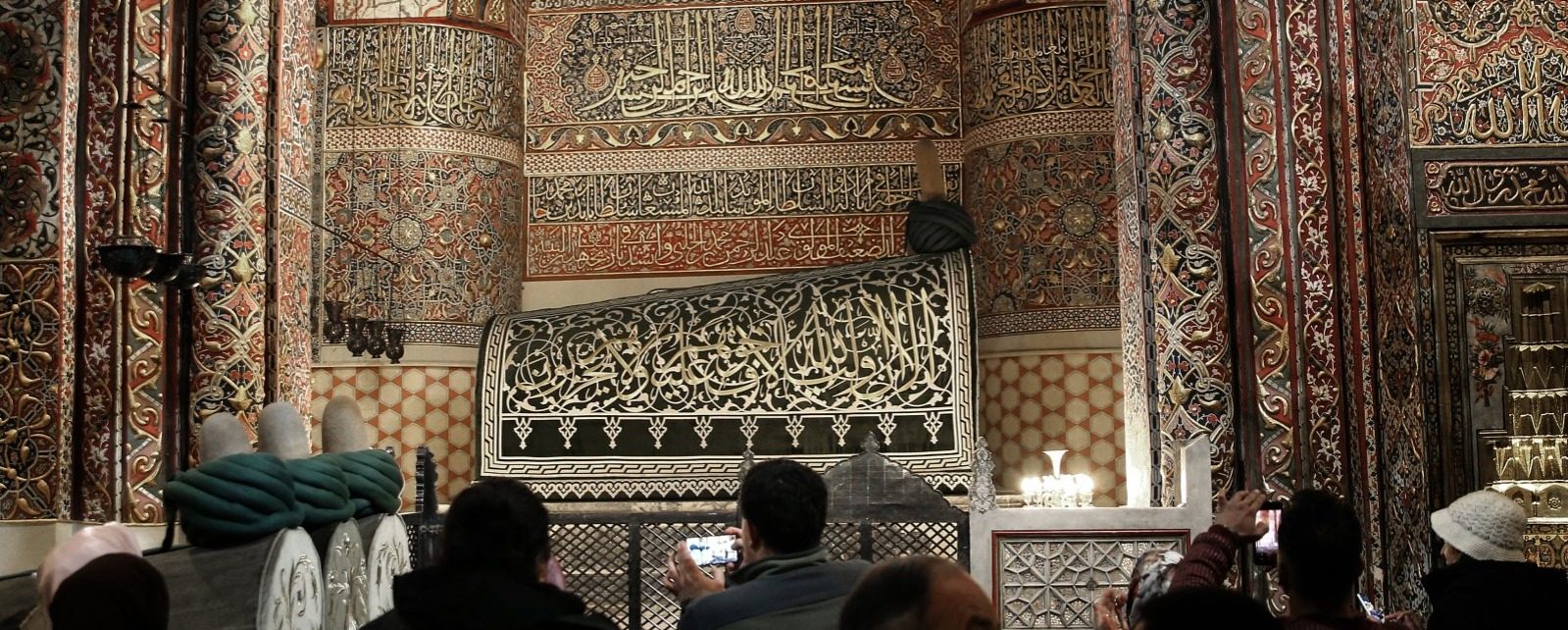
Rumi has long been recognized as a figure who illuminated humanity’s path with his wisdom, compassion, and universal teachings. His message, grounded in peace, unity, and empathy, continues to offer valuable insights for the field of international relations today.
Humanitarian Diplomacy in Rumi’s Time
During Rumi’s lifetime, the Seljuk State—except under Sultan Alaeddin Keykubad I—was largely under Mongol dominance and faced deep instability. The lingering effects of the Crusades and the fear brought by Mongol invasions left the people of Anatolia in a state of despair and insecurity. Many sultans were too young or too weak to effectively confront external pressures, creating an atmosphere of distrust across the region.
In this difficult environment, Rumi emerged as a source of stability. His teachings inspired confidence both among ordinary people and within the ruling elite. He was regarded as a spiritual guide, a unifying voice, and a beacon of hope during one of the most turbulent periods in Anatolian history. Rumi’s ability to maintain sincere relations with all sides—regardless of their political influence—reflects his unique talent for building bridges in a divided society.
Through his emphasis on compassion, humility, and understanding, Rumi helped people endure hardship and regain their sense of purpose. His interactions with rulers of the time also showed that a true Sufi could maintain peace and friendship even in an environment filled with political tension and uncertainty.
Rumi’s Universal Message for Modern Diplomacy
Today, Rumi’s teachings continue to resonate far beyond the borders of the region where he lived. His words remind nations and leaders that diplomacy is not merely about power, but also about empathy, mutual respect, and the ability to see humanity in others. Concepts such as dialogue, tolerance, and coexistence—central to Rumi’s philosophy—are essential elements of modern international relations.
Rumi’s perspective encourages policymakers to approach conflicts with patience and understanding, to prioritize humanitarian values, and to seek solutions that protect human dignity. His timeless message demonstrates that strong diplomacy is rooted not only in strategy but also in compassion.
In a world where tensions, inequalities, and global crises persist, Rumi’s voice still offers guidance. His emphasis on unity and shared humanity remains a powerful reminder that lasting peace can only be achieved by embracing empathy and building sincere connections between societies.