Professor Dr. Metin Armağan, a faculty member at Necmettin Erbakan University’s Faculty of Agriculture, has introduced five new plant species to the scientific world through his research conducted in the mountains and valleys of Tunceli since 2011.
For years, Professor Dr. Metin Armağan has been tracing plants across different regions of Turkey and spending most of his time in nature. Since 2011, he has been visiting Tunceli at intervals, focusing his studies on biodiversity.
Guided in the field by Murat Özel, a staff member of the Tunceli Branch of Nature Conservation and National Parks, Armağan conducts research in the 3,000-meter-high mountains of Ovacık, Pülümür, Mazgirt, Hozat, and Çemişgezek districts, as well as in Munzur Valley National Park.
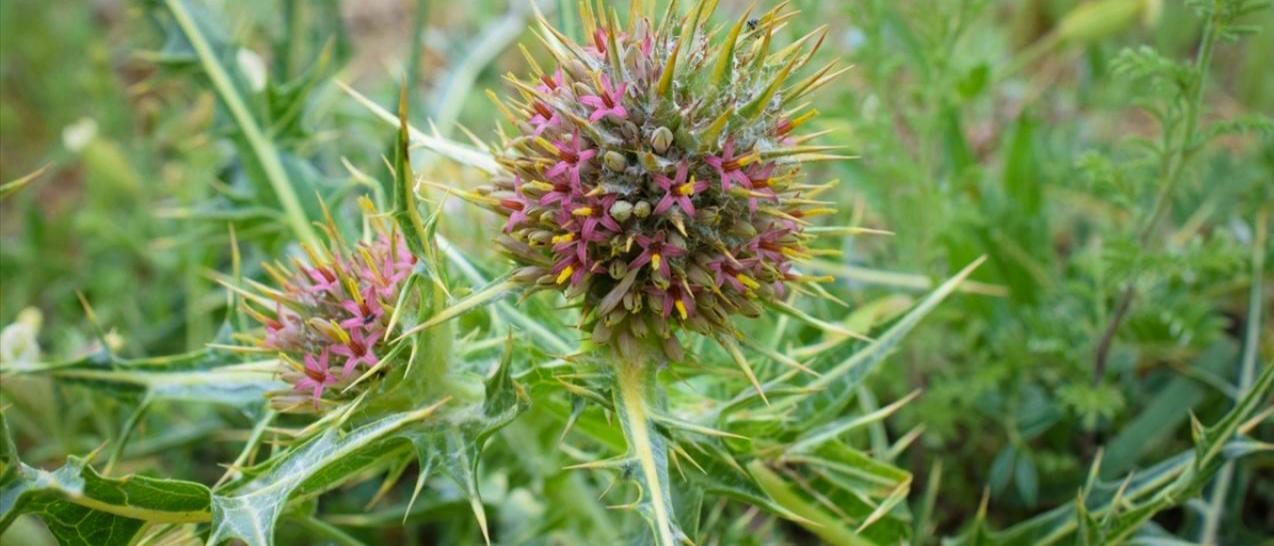
In his studies carried out in the city so far, Prof. Dr. Armağan named the five new species he discovered as Munzur’s Breath (Gypsophila munzurensis), Sütlüce Kenger (Gundelia vitekii), Aksakallı (Pedicularis munzurdaghensis), Azizabdal Onion (Allium muratozelii), and Hakis Onion (Allium shinasii).
These five new species identified by Armağan were published in the international journals Annalen des Naturhistorischen Museums Wien, Phytotaxa, and Nordic Journal of Botany, thereby being introduced into the scientific literature.
Prof. Dr. Armağan is continuing his research on onion, violet, suh, mullein, and centaury species that he has collected from rural areas of the city and considers potential new species.
Noting that there are around 2,200 flowering plants in Tunceli, Armağan said, “Almost one-fifth of these are endemic. In other words, there are about 450 endemic species here. In Tunceli, endemic species are mostly found in limestone and calcareous rocks, deep valleys, or high-altitude areas.”
Sharing that they have discovered 10 different new plants in Tunceli since 2014, Prof. Dr. Armağan added, “Apart from these, we are currently working on 10 more species. We will soon introduce these to the scientific community and add them to the literature. They are also locally endemic and will be discoveries unique to Tunceli.”