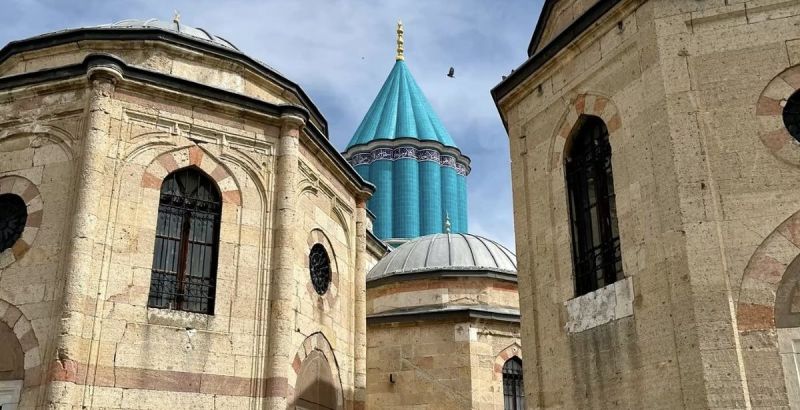
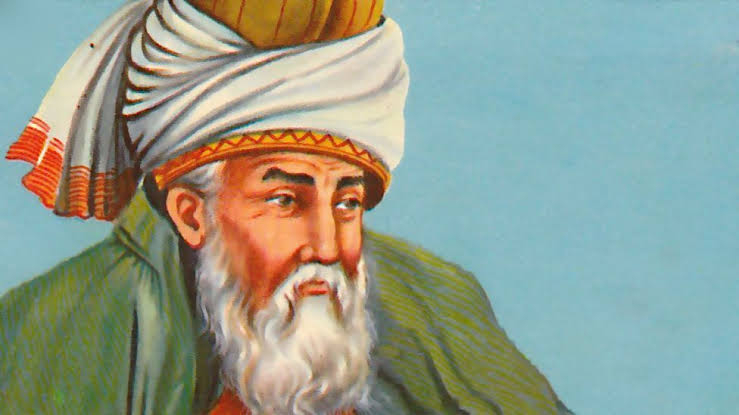
Jalal ad-Din Muhammad Rumi, more commonly known simply as Rumi, was a 13th-century Persian poet, theologian, and Sufi mystic whose influence transcends time and geography. Born in 1207 in the city of Balkh, he later settled in Konya, where his teachings took root and continue to flourish today.
Rumi’s works are deeply embedded in themes of divine love, spiritual longing, and human transformation. His poetry, often lyrical and metaphor-rich, reflects a profound inner journey, one that speaks to readers across cultures and religions. Among his most celebrated contributions is the Masnavi, a six-volume poetic masterpiece that blends storytelling with spiritual allegory.
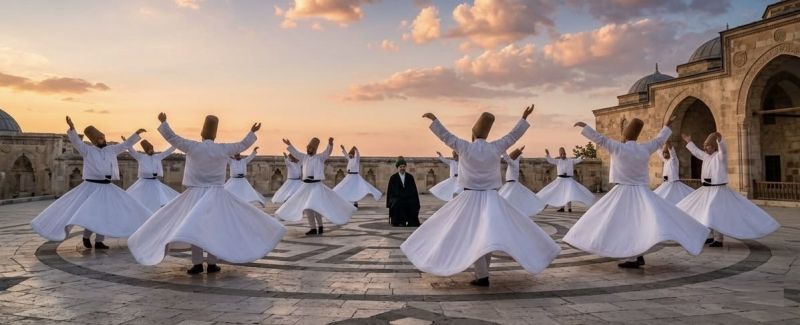
Beyond his writings, Rumi’s legacy also lives on through the Mevlevi Order, known for its whirling dervish ceremonies—a symbolic dance expressing the soul’s ascent toward the divine. Over 800 years later, his verses continue to inspire, reminding humanity of its inner connection to the eternal.